Haiti is facing one of the world’s most severe humanitarian crises as armed gangs tighten their grip on the country, driving escalating violence, hunger and mass displacement. Following the assassination of President Jovenel Moïse in 2021, political instability and economic hardship created a power vacuum that gangs have exploited, with armed groups now controlling most of Port-au-Prince and expanding across northern and western regions. As a result, more than 6.4 million people—over half of Haiti’s population—are in need of humanitarian assistance, and conditions are expected to worsen in 2026 without urgent international action.
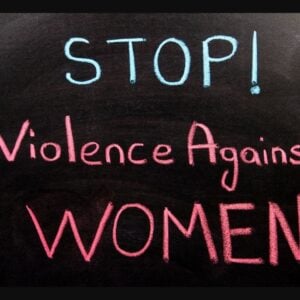
Gang violence has intensified sharply, with civilians facing killings, extortion, kidnappings and sexual violence used to terrorize communities and consolidate control. Violence against women and girls has surged, while forced recruitment has led to a dramatic rise in the use of child soldiers, placing an entire generation at risk. Efforts by Haitian authorities and international partners to restore security have so far failed, and new interventions carry the risk of further civilian harm if fighting escalates.
The spread of violence has driven record levels of displacement, with more than 1.4 million people forced from their homes, many seeking refuge in overcrowded camps with limited access to food, clean water and health care. Food insecurity has reached crisis levels, affecting over half of the population, and families in displacement sites face daily risks of hunger and disease.
Despite the scale of need, humanitarian funding remains critically low. By the end of 2025, less than a quarter of the required funding had been secured, leaving millions without access to essential services such as food aid, health care and protection. With ongoing violence, shrinking aid budgets and the constant threat of climate-related disasters, global support is urgently needed to prevent further deterioration and to help Haitians survive, recover and rebuild their lives.