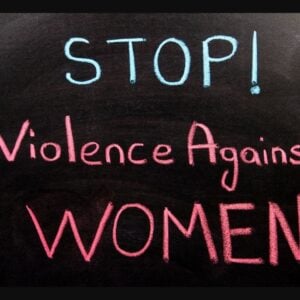
Conflict-related sexual violence in eastern Democratic Republic of Congo (DRC) has surged, while support for survivors has dramatically declined. Armed groups, including the Rwanda-backed M23, the Allied Democratic Forces (ADF), and the Congolese military, are using sexual violence as a weapon of war, exploiting ethnic tensions, abductions, and attacks on civilians. Survivors face extreme challenges, including restricted access to healthcare, emergency treatments like post-exposure prophylaxis (PEP) kits, and psychosocial support due to ongoing insecurity, funding cuts, and attacks on aid organizations.
Human Rights Watch and local partners documented numerous cases of rape, sexual slavery, and assault in Ituri, North Kivu, and South Kivu provinces. Survivors report delayed or denied medical treatment, HIV infection, pregnancies from assault, and severe physical and psychological trauma. Many are internally displaced or have fled to neighboring countries like Uganda, where access to healthcare and support remains limited. Survivors face stigma and barriers to reintegration, particularly for those who return from captivity or have children born of forced unions.
The Congolese government has made some efforts, including creating Integrated Centers for Multisectoral Services and the reparations agency FONAREV. However, gaps remain in justice, legal aid, and funding. Courts are often inaccessible, costly, or ineffective, and military justice systems have been criticized for violating human rights. International law, including the Geneva Conventions, the Maputo Protocol, and the Convention on the Elimination of All Forms of Discrimination against Women, obliges authorities to prevent sexual violence, prosecute perpetrators, and provide care to survivors, yet enforcement is weak.
Funding cuts from international donors, particularly the United States, have worsened access to critical emergency care, including PEP kits and HIV treatment. Local organizations, such as SOFEPADI, have provided crucial support through safe spaces, psychological assistance, and vocational training, but coverage is limited due to insecurity and lack of resources. Attacks on aid infrastructure further constrain assistance, leaving survivors without the holistic support they desperately need.
Human Rights Watch and partners call on the Congolese military to enforce discipline and prevent sexual violence, the government to strengthen investigations, prosecutions, and reparations, and international partners to scale up aid, accountability efforts, and sanctions against perpetrators. Without immediate action to protect survivors and ensure justice, the ongoing climate of impunity will continue to enable sexual violence as a weapon of war in eastern Congo.