The 2025 Renewable Energy and Jobs – Annual Review, jointly released by IRENA and the ILO, highlights the slow growth of employment in the renewable energy sector despite record-breaking installations. Global jobs in renewables increased by only 2.3% from 2023, reaching 16.6 million in 2024, reflecting the combined effects of geopolitical and geoeconomic frictions as well as growing automation in the industry.
Job creation remains highly uneven across regions. China continues to dominate both renewable energy deployment and manufacturing, producing 7.3 million jobs, or 44% of the global total. The EU maintained its 2023 total at 1.8 million jobs, while Brazil employed 1.4 million, and India and the United States saw only modest growth to 1.3 million and 1.1 million jobs, respectively. IRENA emphasized that governments must prioritize people alongside technology in energy transition policies, focusing on domestic capacity, skill development, and international collaboration to ensure the socio-economic benefits of renewable energy reach all countries.
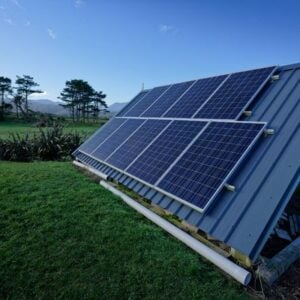
In terms of technology, solar photovoltaics (PV) remains the leading employer, with 7.3 million jobs worldwide in 2024, concentrated largely in Asia and particularly in China, which accounts for 4.2 million PV jobs. Liquid biofuels generated 2.6 million jobs, hydropower employed 2.3 million, and wind accounted for 1.9 million jobs. The report underscores the importance of inclusion and equity in the workforce, emphasizing that women and people with disabilities remain underrepresented and that deliberate action is needed to harness diverse talents in the renewables sector.
ILO Director-General Gilbert F. Houngbo stressed that a just energy transition must be rooted in inclusion, dignity, and equal opportunity. He highlighted the need for accessible training, inclusive hiring practices, and workplace accommodations to ensure that people with disabilities can fully participate in the labor market. Removing barriers and outdated social norms is essential for resilient economies and a renewable energy transition that benefits everyone.
The review also calls for sustained, inclusive policy frameworks that support education, labor market services, and stakeholder participation, ensuring that all voices, particularly those historically marginalized, are included in shaping the energy transition. This edition, the 12th annual review and the 5th developed with ILO collaboration, integrates ILO expertise on workforce inclusion and specifically addresses the participation of people with disabilities in renewable energy.