Nearly one in three people in Sudan has been displaced, either within the country or across borders, over the past one thousand days since the outbreak of the conflict. This crisis has devastated lives, uprooted communities, and triggered the largest displacement emergency in the world, with an average of five displacement-triggering events occurring every week during this period.
Amy Pope, Director General of the International Organization for Migration (IOM), emphasized the human toll behind the statistics, noting that families are struggling to protect their children and preserve dignity amid extreme hardship. She called for sustained international action to protect civilians, support displaced families, and create conditions for safe return and recovery.
Since April 2023, a total of 743 incidents have triggered displacement in Sudan, including 524 conflict-related events and 219 natural hazards such as floods and fires. More than 15 million people have been forced from their homes, including 11.58 million internally displaced and roughly 4 million who fled across borders at the peak of the crisis. The conflict has displaced twice as many people in a single year as Sudan experienced over the previous two decades combined, making the country home to approximately 15 percent of all internally displaced persons worldwide at its height.
Recent escalations have exacerbated the situation. Late October 2025 violence in Al Fasher, North Darfur, displaced over 100,000 people, while ongoing clashes in the Kordofan region forced around 65,000 more to flee. Many of these displaced persons crossed into Chad and South Sudan, often entering areas already marked by fragility.
Even before the current conflict, Sudan hosted an estimated 3.8 million displaced people. Since April 2023, 41 percent of these individuals have been displaced again, illustrating the protracted and cyclical nature of displacement in the country. After two years of fighting, the total number of internally displaced persons decreased for the first time in February 2025 due to return movements. Following 1,000 days of conflict, about 9.33 million people remain internally displaced, while approximately 3 million have returned to their areas of origin, including over one million to Khartoum. Returns remain fragile, often occurring in areas with damaged infrastructure, limited services, and ongoing insecurity.
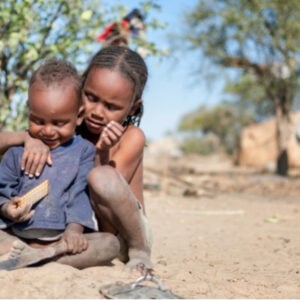
Children have borne the heaviest burden of the crisis, comprising 55 percent of all internally displaced people in Sudan. They face disrupted education, heightened protection risks, and long-term consequences for their well-being and future prospects.
As Sudan approaches its fourth year of conflict, IOM stresses the urgent need for sustained humanitarian access, increased funding, and a renewed focus on civilian protection. Without meaningful progress toward peace and stability, millions of Sudanese will continue to endure cycles of displacement, loss, and uncertainty.