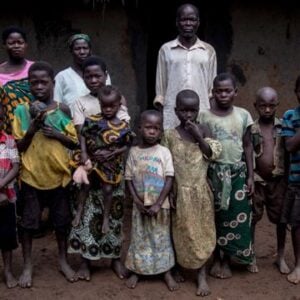
Latest UN data shows that conflict in Sudan has uprooted 9.3 million people internally, with over 4.3 million fleeing across borders, placing immense pressure on neighbouring countries. At the same time, more than 21 million people across the country are acutely food insecure, facing severe shortages of basic necessities.
Although some displaced individuals have returned to the capital, Khartoum, civilians there continue to face massive challenges and dangers, including threats from unexploded ordnance. Fighting persists across multiple fronts in Kordofan, while sieges have cut off towns such as Kadugli and Dilling, restricting access to food, healthcare, farms, and markets.
In Darfur, ground fighting continues alongside drone attacks, with long-range strikes targeting civilian infrastructure even far from the front lines. Children remain especially vulnerable, with eight reportedly killed in an attack in Al Obeid, North Kordofan. UNICEF reports that roughly 5,000 children are displaced daily, often repeatedly, facing violence, hunger, illness, and the constant fear of attack.
Women and girls are also bearing the brunt of the conflict, with rampant sexual violence and abuse reported. Approximately 12 million people, mostly women and girls, are at risk of gender-based violence, and female-headed households are three times more likely to experience food insecurity, with most reporting insufficient food.
The ongoing humanitarian crisis has been worsened by a severe shortfall in funding. In 2025, only 36% of the $4.2 billion requested by the UN for Sudan was funded. For 2026, OCHA plans to assist 20 million people out of nearly 34 million in need, requiring $2.9 billion.
UN officials have called for an immediate cessation of hostilities, adherence to international humanitarian law, unimpeded access for aid across conflict lines, and full protection for civilians and aid workers. They stress that urgent steps toward lasting peace are essential to prevent further devastation and suffering.