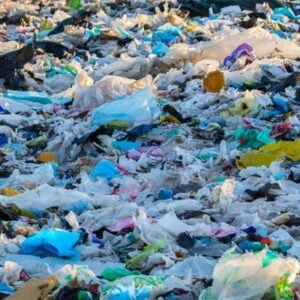
Project Lemon Aid brings shark science out of the field and into classrooms across the Turks & Caicos Islands, transforming research into engaging, hands-on learning experiences. While the team collects data on lemon sharks in mangroves and sandy flats, these real-world findings are translated into lessons that help students understand shark biology, local marine ecosystems, and the purpose and methods of scientific research. By connecting field discoveries to classroom activities, students learn not just about sharks, but also about the broader ecological systems they inhabit, including mangroves, climate change impacts, and plastic pollution.
Partnerships with the Ministry of Education and local schools have been key to Project Lemon Aid’s success, helping to overcome fear or misconceptions about sharks and fostering community support. In 2025, the project delivered 49 presentations across 11 schools, reaching 1,500 students and 80 teachers. Students participated in lessons on shark biology, conservation, and marine ecosystems, supported by donated materials including activity packets, books, colouring pages, laminated posters, and 4Ocean bracelets. Special resources, like the 52-page activity book Sharks and Rays of Turks and Caicos, provide an interactive way for students to explore local species and ongoing research.
Through these educational efforts, students gain a deeper understanding of marine life, learn critical thinking skills, and are empowered to act as advocates for conservation. Engaging children as active participants in science creates a ripple effect that extends into their families and communities, helping to replace fear and misunderstanding with fascination and ecological awareness. Project Lemon Aid demonstrates that education is an essential foundation for conservation, connecting young learners to the ocean and inspiring them to become stewards of their environment.
By linking research, hands-on learning, and community engagement, Project Lemon Aid bridges the gap between science and education. Every data point collected in the field becomes part of a story that students can explore, ensuring that knowledge gained today fosters conservation action tomorrow. In the Turks & Caicos Islands, shark conservation begins in the classroom, where curiosity grows into lifelong stewardship.