• Skip to primary navigation
  • Skip to main content
  • Skip to primary sidebar

fundsforNGOs News

Grants and Resources for Sustainability

  • Subscribe for Free
  • Premium Support
  • Premium Login
  • Premium Sign up
  • Home
  • Funds for NGOs
    • Agriculture, Food and Nutrition
    • Animals and Wildlife
    • Arts and Culture
    • Children
    • Civil Society
    • Community Development
    • COVID
    • Democracy and Good Governance
    • Disability
    • Economic Development
    • Education
    • Employment and Labour
    • Environmental Conservation and Climate Change
    • Family Support
    • Healthcare
    • HIV and AIDS
    • Housing and Shelter
    • Humanitarian Relief
    • Human Rights
    • Human Service
    • Information Technology
    • LGBTQ
    • Livelihood Development
    • Media and Development
    • Narcotics, Drugs and Crime
    • Old Age Care
    • Peace and Conflict Resolution
    • Poverty Alleviation
    • Refugees, Migration and Asylum Seekers
    • Science and Technology
    • Sports and Development
    • Sustainable Development
    • Water, Sanitation and Hygiene (WASH)
    • Women and Gender
  • Funds for Companies
    • Accounts and Finance
    • Agriculture, Food and Nutrition
    • Artificial Intelligence
    • Education
    • Energy
    • Environment and Climate Change
    • Healthcare
    • Innovation
    • Manufacturing
    • Media
    • Research Activities
    • Startups and Early-Stage
    • Sustainable Development
    • Technology
    • Travel and Tourism
    • Women
    • Youth
  • Funds for Individuals
    • All Individuals
    • Artists
    • Disabled Persons
    • LGBTQ Persons
    • PhD Holders
    • Researchers
    • Scientists
    • Students
    • Women
    • Writers
    • Youths
  • Funds in Your Country
    • Funds in Australia
    • Funds in Bangladesh
    • Funds in Belgium
    • Funds in Canada
    • Funds in Switzerland
    • Funds in Cameroon
    • Funds in Germany
    • Funds in the United Kingdom
    • Funds in Ghana
    • Funds in India
    • Funds in Kenya
    • Funds in Lebanon
    • Funds in Malawi
    • Funds in Nigeria
    • Funds in the Netherlands
    • Funds in Tanzania
    • Funds in Uganda
    • Funds in the United States
    • Funds within the United States
      • Funds for US Nonprofits
      • Funds for US Individuals
      • Funds for US Businesses
      • Funds for US Institutions
    • Funds in South Africa
    • Funds in Zambia
    • Funds in Zimbabwe
  • Proposal Writing
    • How to write a Proposal
    • Sample Proposals
      • Agriculture
      • Business & Entrepreneurship
      • Children
      • Climate Change & Diversity
      • Community Development
      • Democracy and Good Governance
      • Disability
      • Disaster & Humanitarian Relief
      • Environment
      • Education
      • Healthcare
      • Housing & Shelter
      • Human Rights
      • Information Technology
      • Livelihood Development
      • Narcotics, Drugs & Crime
      • Nutrition & Food Security
      • Poverty Alleviation
      • Sustainable Develoment
      • Refugee & Asylum Seekers
      • Rural Development
      • Water, Sanitation and Hygiene (WASH)
      • Women and Gender
  • News
    • Q&A
  • Premium
    • Premium Log-in
    • Premium Webinars
    • Premium Support
  • Contact
    • Submit Your Grant
    • About us
    • FAQ
    • NGOs.AI
You are here: Home / cat / Driving Sustainable Rice Production: Scaling RiceAdvice and the Sustainable Rice Platform, 2022–2025

Driving Sustainable Rice Production: Scaling RiceAdvice and the Sustainable Rice Platform, 2022–2025

Dated: January 9, 2026

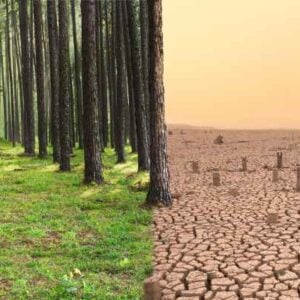
Mali’s rice-based farming systems are under growing pressure from climate change, with rising temperatures, erratic rainfall, recurrent droughts, and periodic flooding increasingly undermining agricultural productivity and rural livelihoods. These climate stresses have made water management more difficult in irrigated rice systems, shortened or disrupted growing seasons, and increased the frequency of severe yield losses. Changing climate conditions have also altered pest and disease dynamics, further threatening rice productivity and reinforcing the need for adaptive, climate-smart strategies across the rice value chain.

Food security in Mali remains fragile, particularly in the northern and central regions, where conflict, market instability, and extreme weather events have intensified acute food insecurity and nutritional risks. Climate shocks have emerged as a major driver of both seasonal and chronic food shortages, highlighting the urgency of strengthening resilient rice production systems to safeguard household incomes and national food supplies.

In this context, digital advisory tools such as the RiceAdvice mobile application play a critical role in supporting climate adaptation. RiceAdvice provides site-specific fertilizer recommendations and guidance on good agricultural practices, helping farmers make more efficient input decisions. Evidence from field assessments shows that farmers using RiceAdvice achieve higher technical efficiency and improved rice yields, while reducing unnecessary fertilizer use and associated costs. By aligning fertilizer application with field conditions, the tool supports productivity gains while minimizing environmental losses.

The Sustainable Rice Platform complements these digital advisories by introducing internationally recognized sustainability standards that address environmental, social, and economic dimensions of rice production. By promoting resource efficiency, improved farm management, and responsible labor practices, SRP helps enhance the market value of rice and connects producers to buyers seeking sustainably produced rice. Together, RiceAdvice and SRP strengthen decision-making, improve yield outcomes, and encourage long-term sustainability in Mali’s rice sector.

To support the scaling of these innovations, a capacity-building workshop was held in Bamako in November 2025, bringing together researchers, extension agents, farmer representatives, and institutional partners from major rice-producing regions. The workshop focused on practical training in RiceAdvice Lite, a simplified version of the application designed for faster field-level use, as well as an introduction to SRP standards and sustainability assessment tools. Participants gained hands-on experience installing the application, entering farmer data, generating recommendations, and understanding sustainability performance indicators.

The workshop outcomes demonstrated strong engagement and learning, particularly through practical exercises that increased participants’ confidence in using digital tools with farmers. Participants highlighted the advantages of RiceAdvice Lite, including its user-friendly interface and offline functionality, while discussions around SRP emphasized the importance of adapting global standards to local socio-economic and agroecological conditions in Mali.

At the same time, participants identified several constraints encountered during scaling efforts between 2022 and 2025, including limited digital literacy, gaps in local variety representation within the RiceAdvice database, connectivity challenges, and the need for greater contextualization of SRP requirements. Lessons learned underscored the importance of hands-on training, continuous technical support, improved data integration, and targeted capacity building for women and youth to ensure effective adoption.

Overall, the workshop strengthened the capacity of rice value chain actors to deploy digital advisory services and sustainability standards in Mali. By combining RiceAdvice for field-level optimization with SRP for long-term sustainability, participants recognized a complementary approach that can enhance productivity, resilience, and environmental stewardship. Sustained investment in digital tools, capacity building, and institutional collaboration will be essential for advancing climate-resilient rice systems and supporting Mali’s goal of national rice self-sufficiency.


Related Posts

  • Advancing GEM Parboiling and Rice By-Product Innovations: Lessons Learned from 2022 to 2025
  • Enhancing Rice Productivity in Mali: Insights from Scaling Resilient Varieties, Good Agricultural Practices, and Pest Management
  • Bangladesh Takes Key Steps Toward Developing Its First Climate Finance Strategy
  • Egypt Boosts Climate Finance with $750 Million Green Bond Backed by EIB and UNDP
  • Direct Access to Climate Finance: Lessons for Strengthening National Institutions

Primary Sidebar

Latest News

Afghan Education Strengthened Through UNESCO Support to NGOs

FIFA Foundation Steps Up Aid for Hurricane Melissa Victims

£250,000 Grant Opens for Community and Creative Projects in Belfast

What Oregon’s Transport Funding Struggles Teach the Nation

Key Insights from Running AMP & RCPP Agricultural Programs

Inspiring African Youth Success Stories in Governance and Peacebuilding

Andean Agriculture: Slopes That Sustain the World

A Decade of EU Research for Sustainable Agri-Food

Antonio Guterres Raises Alarm Over Global Human Rights Abuses

Moldova’s Green Transition: Why Local Solutions Matter

Ukraine Recovery: $588 Billion Needed Over 10 Years

Updated Report Reveals Ukraine’s $588B Reconstruction Needs

Apply Now: Green Assist Supports Green Investment Initiatives

EU/Israel: Calls Grow for Palestinians’ Rights to Lead Peace Agenda

Finland Grants €20M to Strengthen Humanitarian Response in Ukraine

Advancing Adolescent Health in Central and West Africa

Introducing the GSMA Innovation Fund for Sustainable Mobile Solutions

Leading the Fight Against AMR: Ghana Advances People-Focused Strategies in Africa

WHO Hosts Global Experts in Brazzaville to Boost Filovirus Clinical Care

UN Alerts: 280,000 Displaced Amid Escalating South Sudan Fighting

Ministers Celebrate Key Step Forward for Endangered Bird Conservation

20 Years of the Maritime Labour Convention: Ensuring Workers’ Rights at Sea

Asia Migrant Workers Struggle in Fishing and Seafood Processing

Updated Report: Ukraine’s Recovery and Reconstruction Needs

World Bank Partnership Boosts Job Creation in Papua New Guinea

Congo Basin Countries Chart Carbon Market Strategies

Malawi Economy Outlook: Unlocking Private Sector Growth

Timor-Leste Uses Data-Driven Census to Boost Social Protection and Reduce Child Stunting

SME Success Stories Worldwide: Insights Nepal Can Adopt (II)

Small Grants, Big Lessons: Sustainability in Global Health

Lessons from Three Megadiverse Countries on Biodiversity Protection

RAIN Challenge Insights: Driving Innovation for Climate Resilience

$10 Million Fund to Advance AI Designed By and For People

Albania and UK Exchange Best Practices on Constituency Engagement

Why Strong Education Systems Drive Life Skills Development

Georgia Advances Aquaculture with National Fish Traceability Integration

FAO Assists Tuvalu in Launching First National Crops and Livestock Census

Climate-Smart Equipment Strengthens Dryland Farming and Restores Landscapes

Miombo Woodland Restoration in Zimbabwe Boosted by FAO Training

Deaf Farmers in Egypt Boost Yields Through Adapted Field Schools

Funds for NGOs
Funds for Companies
Funds for Media
Funds for Individuals
Sample Proposals

Contact us
Submit a Grant
Advertise, Guest Posting & Backlinks
Fight Fraud against NGOs
About us

Terms of Use
Third-Party Links & Ads
Disclaimers
Copyright Policy
General
Privacy Policy

Premium Sign in
Premium Sign up
Premium Customer Support
Premium Terms of Service

©FUNDSFORNGOS LLC.   fundsforngos.org, fundsforngos.ai, and fundsforngospremium.com domains and their subdomains are the property of FUNDSFORNGOS, LLC 1018, 1060 Broadway, Albany, New York, NY 12204, United States.   Unless otherwise specified, this website is not affiliated with the abovementioned organizations. The material provided here is solely for informational purposes and without any warranty. Visitors are advised to use it at their discretion. Read the full disclaimer here. Privacy Policy. Cookie Policy.