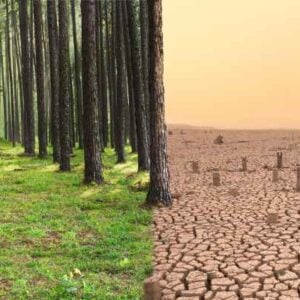
Climate change is placing increasing pressure on Mali’s rice production systems through irregular rainfall, droughts, rising temperatures, and flooding, which undermine productivity and household incomes. While much attention has focused on improving production, post-harvest stages remain highly vulnerable, particularly for women who dominate rice processing. These women face challenges such as inefficient parboiling equipment, health risks from smoke exposure, low profitability, and high post-harvest losses, all of which are exacerbated by climate stress and market instability.
The GEM parboiling technology developed by AfricaRice offers a climate-smart and gender-responsive solution to these challenges. By improving energy efficiency, reducing drudgery, eliminating smoke exposure, and enhancing rice quality and milling recovery, GEM transforms parboiling into a viable economic activity. As women play a central role in post-harvest processing and household livelihoods, the technology contributes not only to higher incomes and food security but also to women’s empowerment, improved nutrition, and greater resilience to climate shocks.
In addition to parboiling improvements, the utilization of rice by-products strengthens circular and climate-smart agricultural practices. Rice husks are used as biofuel, rice straw is repurposed for compost and livestock feed, and broken rice grains are processed into nutrient-rich foods. These practices reduce waste, improve soil health, diversify household diets, and create additional income streams at a time when Mali is facing growing food and nutrition insecurity.
To support the wider adoption of these innovations, a capacity-building workshop was held in Bamako on 22 November 2025. The workshop brought together researchers, extension agents, women processors, and representatives from government and non-government organizations across major rice-producing regions. Through practical demonstrations and participatory learning, the initiative strengthened technical skills, promoted safe and efficient use of GEM equipment, and reinforced national efforts toward rice self-sufficiency under the AICCRA project.
Participants gained a clearer understanding of GEM parboiling as a climate-smart and gender-sensitive innovation that improves rice quality while reducing environmental and health risks. The training highlighted the contrast with traditional parboiling methods and showed how GEM technology lowers firewood use, minimizes smoke exposure, reduces post-harvest losses, and enhances grain quality. These improvements position GEM parboiling as both a livelihood opportunity and a response to climate and gender inequalities.
Technical demonstrations emphasized standardized procedures and quality control, enabling participants to produce parboiled rice that meets market standards. Improved moisture management and reduced grain breakage were shown to significantly increase milling recovery, while better nutritional retention and shelf life enhanced the overall value of the final product. Economic analyses shared during the workshop underscored the strong profitability of GEM parboiling compared to traditional systems.
The workshop also documented notable scaling achievements between 2022 and 2025 under the AICCRA project. Women-led cooperatives operating GEM units reported increased production volumes, higher monthly revenues, and greater profits per ton of rice processed. These gains have strengthened household incomes and demonstrated the commercial viability of climate-smart post-harvest technologies.
Gender empowerment emerged as one of the most significant outcomes of GEM adoption. Women experienced reduced physical strain and health risks, greater economic autonomy, stronger leadership within cooperatives, and improved household wellbeing. Increased incomes enabled better spending on food, education, and healthcare, reinforcing the broader social benefits of the technology.
At the same time, participants identified constraints that continue to limit scaling, including challenges related to fuel availability, equipment maintenance, drying infrastructure, cooperative governance, access to finance, and market linkages. Lessons learned from the 2022–2025 period emphasized the importance of standardized practices, continuous training, women’s ownership and leadership, and sustained institutional and financial support.
Overall, the workshop highlighted the transformative potential of GEM parboiling and rice by-product innovations to enhance women’s livelihoods, improve rice quality, and build climate resilience in Mali. The insights generated provide a strong foundation for future scaling efforts and support Mali’s ongoing pursuit of climate-resilient and inclusive rice self-sufficiency.