On 30 December, Israel announced that it would revoke the licenses of 37 international non-governmental organisations (INGOs) operating in Gaza and the occupied West Bank. The affected organisations include prominent agencies such as the Norwegian Refugee Council, International Rescue Committee, ActionAid, World Vision International, Oxfam, Care International, and Médecins Sans Frontières. The move has drawn condemnation from countries and organisations worldwide, with senior UN officials urging Israel to reverse the decision. Israel’s ministry of diaspora affairs stated that the revocation would not affect the flow of humanitarian aid, citing alleged failures by these organisations to meet “security and transparency requirements.”
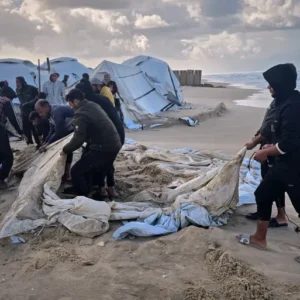
Humanitarian access to Gaza has been a long-standing challenge, particularly since the conflict that began on 7 October 2023. During the war, Israel severely restricted the entry of aid, allowing only a fraction of the required assistance. In October 2024, the UN Relief and Works Agency for Palestine Refugees in the Near East (UNRWA) was banned following unsubstantiated allegations linking its staff to the attacks. In May 2025, Israel designated the Gaza Humanitarian Foundation (GHF) to manage aid distribution, which involved reports of Gazans being forced to wait in harsh conditions and incidents of violence by guards. Despite the ceasefire agreement in October 2025, which allowed 600 trucks of basic supplies per day, only an average of 459 trucks entered Gaza, and more than 100 aid entry requests were rejected, including essential items for water, sanitation, and winter needs.
International and NGO responses have strongly criticised the revocation. Over 50 INGOs warned that the ban would severely impede aid access and violate international humanitarian law. A joint statement by foreign ministers from ten countries, including the UK, France, Canada, and Japan, highlighted the critical timing of the decision amid deteriorating conditions and harsh winter weather. Other countries, including Ireland and Norway, condemned potential cuts to UNRWA’s water and electricity supplies, warning of severe humanitarian consequences. Israel-based rights groups, such as B’Tselem and Physicians for Human Rights-Israel, also condemned the new registration framework as undermining humanitarian principles of independence and neutrality.
In response, Bond, the UK network for international development organisations, called for an immediate reversal of the ban, emphasising its potential to devastate access to essential services for millions of Palestinians. Bond highlighted the urgent need for unhindered humanitarian assistance, including healthcare, nutrition, and water and sanitation, to prevent further suffering and loss of life. The network continues to advocate for the rights of INGOs to operate safely and independently while supporting its members and the Occupied Palestine Territories Working Group to ensure aid reaches Gaza and the West Bank.