Senior United Nations officials and humanitarian leaders have urged Israel to reverse plans to withhold registration from more than three dozen international NGOs operating in Gaza and the Israeli-occupied West Bank, warning that the move would critically undermine life-saving aid at a time of extreme humanitarian need. Israel says 37 NGOs failed to meet new security and transparency requirements for re-licensing in 2026, while the organizations argue that the rules—particularly demands to disclose personal information about Palestinian staff—could endanger workers and restrict humanitarian access.
The new registration framework, approved in March 2025, follows Israeli allegations that some aid workers were linked to armed groups, claims that organizations such as Médecins Sans Frontières (MSF) strongly deny. Israel has said it will enforce bans on NGOs that do not comply, while also asserting that the affected organizations play a limited role in aid delivery. Humanitarian groups counter that the restrictions politicize aid and risk dismantling essential services, especially after years of conflict that have devastated Gaza’s health system and basic infrastructure.
In a joint statement, leaders of major UN agencies and international aid organizations emphasized that international NGOs deliver close to one billion dollars in assistance annually in the occupied Palestinian territory and are central to operations in Gaza. They warned that limiting humanitarian access during winter—amid widespread displacement, food insecurity, and flooding—could undo fragile progress since the ceasefire and have devastating consequences for civilians. The statement stressed that humanitarian access must remain neutral, unconditional, and protected under international law.
MSF, one of the most prominent organizations affected, rejected claims that its work is marginal, noting that it supports a significant share of hospital beds and maternal care in Gaza while treating hundreds of thousands of patients each year. The organization described Israel’s demands as a dangerous overreach that could expose local staff to intimidation, detention, or violence, particularly in a context where aid workers have already been killed. MSF and others argue that denying medical and humanitarian assistance to civilians amounts to collective punishment.
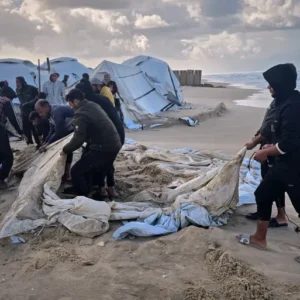
The controversy unfolds as winter storms worsen Gaza’s already dire living conditions, flooding shelters, damaging tents, and intensifying health risks linked to sewage, waste accumulation, and respiratory infections. Despite ongoing aid efforts, more than a million people still urgently need shelter support, while malnutrition and acute food insecurity remain widespread. UN officials warn that further restrictions on NGOs would severely weaken an already strained humanitarian response, deepening suffering in Gaza and compounding instability in the West Bank.