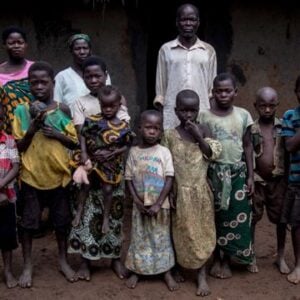
Communities in the riverine villages of Yontoy, Haji Weyne, and Bula Gaduud in Somalia are facing a deepening drought after failed rains in late 2025 destroyed grazing lands and farms. With forecasts indicating no significant rainfall until at least April 2026, extreme heat and water scarcity are eroding livelihoods for families already living on the margins. As livestock weakens and traditional income sources disappear, the crisis is intensifying, exposing the limits of short-term humanitarian assistance.
In response, the Resilient Initiative for Sustainability and Empowerment in Kismayo District is focusing on strengthening local economic systems that can provide both immediate relief and longer-term resilience. Funded by the Italian Agency for Development Cooperation, the initiative prioritizes sustainable agro-pastoral production and livelihood diversification, complementing broader health, water, sanitation, and food security efforts. The approach recognizes that communities need economic anchors to withstand prolonged shocks rather than reliance on emergency aid alone.
One key intervention has been the revitalization of village markets through targeted support to small businesses. Drought had disrupted local commerce as falling household incomes left shopkeepers without capital, forcing residents to travel long distances for basic goods. Through small business grants and training, local entrepreneurs have been able to restock essential food and hygiene items, restoring shops as functional market hubs. This has helped stabilize household incomes, reduce travel costs for villagers, and keep money circulating within the community, generating wider economic benefits.
Alongside market support, the initiative is protecting livestock, which remains the primary asset for agro-pastoral households. High animal concentrations along the Juba River during drought increase the risk of disease outbreaks that can devastate herds and household nutrition. By professionalizing and supporting Community Animal Health Workers with training, quality medicines, and links to private veterinary pharmacies, the program has significantly reduced livestock mortality. Thousands of animals are treated each month, helping families maintain milk production and safeguard their main source of food and income.
The combined impact of stronger local businesses and healthier livestock is visible in improved community confidence and resilience. Families report reduced anxiety about losing their livelihoods, while healthier herds contribute directly to better nutrition outcomes for children. By integrating financial support, skills development, and sustainable market linkages, the initiative has created systems that can endure beyond the project cycle.
As drought conditions persist and communities wait for the next rainy season, the support provided through the RISE Kismayo project is enabling households to cope with extreme conditions more effectively. Stocked shops, protected herds, and functioning local markets are helping families in Yontoy, Haji Weyne, and Bula Gaduud navigate the long months ahead, laying a foundation for survival and recovery in an increasingly harsh climate.