A fragile ceasefire in Gaza came into effect in October, yet civilians continue to face urgent humanitarian needs, including food, medicine, shelter, and clean water. Over two years of hostilities have resulted in more than 70,000 deaths and 170,000 injuries, while approximately 1.9 million people—around 90 percent of the population—have been forcibly displaced, often multiple times. Ongoing restrictions imposed by Israeli authorities have further exacerbated the humanitarian crisis.
In the West Bank, including East Jerusalem, more than 35,000 Palestinians have been displaced due to Israeli military operations, settler violence, and demolitions, marking the largest displacement crisis in the region since 1967. In Sudan, over 1,000 days of war have led to famine in parts of the country, with millions more experiencing extreme hunger. Civilians attempting to escape the violence face severe risks, including looting, rape, extortion, and targeted killings along ethnic lines. Across Sudan, over 14 million people have been displaced as homes, markets, hospitals, and schools are destroyed, while humanitarian access becomes increasingly restricted.
The Democratic Republic of the Congo (DRC) faces one of the largest yet most overlooked humanitarian crises in the world, with 5.7 million people displaced. Renewed fighting in eastern DRC continues to uproot families who have limited access to food, shelter, and protection. Despite the scale and duration of these crises, international attention and funding remain critically low, leaving millions at risk of insufficient support in 2026.
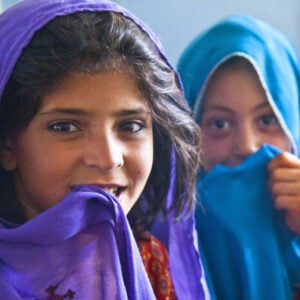
Afghanistan continues to experience compounding crises four years after the Taliban takeover. Economic hardship, increased deportations from neighboring countries, climate change impacts, earthquakes, and restrictions on the rights of women and girls have intensified the humanitarian needs. Funding and international support have shrunk dramatically, leaving many Afghans without basic services and assistance.
Globally, some 239 million people are projected to require humanitarian aid in 2026, yet less than half are likely to receive the help they need due to reductions in foreign aid budgets by the United States and several European donors. With unprecedented levels of displacement worldwide, urgent action from international donors is critical to prevent millions from being left without life-saving support.