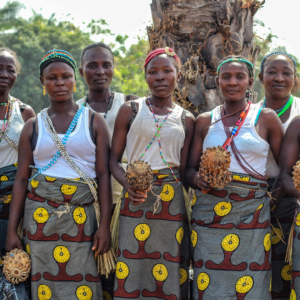
Participation in sport plays a crucial role in promoting social cohesion and community development. By highlighting the achievements and capabilities of women athletes, sport helps challenge and transform entrenched gender stereotypes and norms, fostering a more inclusive and equitable society. It also builds social bonds, creating a sense of belonging and teamwork that supports women and girls both within and beyond the sporting arena.
Sport provides significant economic opportunities and empowerment for women. Gender equality in sports opens career pathways not only as athletes but also in coaching, sports administration, sports science, medicine, and journalism, helping to narrow the gender pay gap. Participation also enhances financial independence through scholarships, sponsorships, and professional growth, which strengthens women’s autonomy and influence in various aspects of life.
Educational benefits of sport are evident through improved academic performance and life skills development. Engagement in physical activities cultivates discipline, time management, leadership, teamwork, problem-solving, and communication skills, supporting academic success and preparing girls for careers in traditionally male-dominated fields.
Participation in sport also promotes mental health and confidence. Regular engagement reduces symptoms of depression, anxiety, and stress while fostering self-esteem, confidence, and self-efficacy. Women and girls develop the ability to set goals, take risks, and pursue leadership roles, translating skills from sport into broader personal and professional growth.
Sport contributes to long-term health benefits and positive body image. Regular physical activity lowers the risk of chronic diseases such as heart disease, diabetes, and certain cancers while helping prevent conditions specific to women, including osteoporosis and breast cancer. It also encourages a focus on bodily capabilities rather than appearance, supporting mental and emotional well-being.
Finally, sport drives cultural change and global development. It promotes equality, respect, and tolerance, contributing to a culture that values diversity and inclusion. Gender equality in sport advances several Sustainable Development Goals, including quality education, gender equality, reduced inequalities, and peace, justice, and strong institutions, demonstrating its broad societal and global impact.