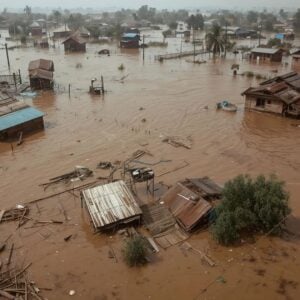
Viet Nam Case Study: Enhancing Child-Focused Disaster Response and Resilience with Accountability PrinciplesIn September 2024, Typhoon Yagi, the strongest cyclone in thirty years, struck northern Viet Nam, causing widespread devastation through intense winds, heavy rainfall, flooding, and landslides. The typhoon resulted in 344 fatalities, 26 missing persons, and nearly 2,000 injuries, while damaging homes, schools, infrastructure, and agricultural livelihoods. The disaster displaced thousands of families into temporary shelters, disrupted access to education, health services, and clean water, and exposed children to heightened risks of malnutrition, illness, and child protection issues, including sexual and gender-based violence. Over 2.65 million children in the most affected provinces experienced significant disruption, with around 830,000 students affected by school closures and loss of learning materials.
The Government of Viet Nam, in collaboration with UNICEF, the United Nations, and other development partners, conducted rapid assessments to guide immediate response and recovery efforts. The Viet Nam Multi-Sector Assessment (VMSA) used Post-Disaster Needs Assessment methodologies to determine the impacts across water, sanitation and hygiene (WASH), nutrition, education, health, livelihoods, and child protection sectors. The assessments confirmed the urgent need for a comprehensive, multisectoral response to address both economic and non-economic losses, including food insecurity, livelihood disruption, learning loss, and psychosocial impacts.
UNICEF and partner agencies implemented a rapid response and early recovery plan that combined humanitarian assistance with resilience-building initiatives. WASH interventions provided safe drinking water, hygiene supplies, and sanitation support to prevent waterborne diseases, while nutrition programs screened and treated children for malnutrition and strengthened local health systems. Education support included Early Childhood Education kits, Primary Learning kits, textbooks, and learning materials to maintain educational continuity and reduce disruption for students, including girls, ethnic minority children, and children with disabilities. Child protection interventions distributed Child Protection in Emergencies kits, established safe spaces, and provided psychosocial support, while unconditional cash transfers supported the most vulnerable households in rebuilding homes, restoring livelihoods, and meeting essential needs.
A child-responsive approach was central to the interventions, with children, families, and communities actively engaged throughout the response. UNICEF integrated the principles of Accountability to Affected Populations (AAP) to ensure participation, information sharing, feedback, and protection from sexual exploitation and abuse (PSEA). Tools like U-Report, digital feedback platforms, and toll-free hotlines enabled children and caregivers to share their experiences and needs, which informed adjustments to relief packages and child protection kits. Activities also encouraged children to express their perspectives through creative initiatives such as short films, enhancing their agency in recovery and resilience-building efforts.
The Viet Nam case demonstrates the importance of a multisectoral and integrated approach to addressing the impacts of sudden-onset climate disasters on children. By combining WASH, nutrition, education, child protection, and social protection interventions, the response addressed immediate humanitarian needs while promoting long-term resilience. Integrating AAP and PSEA principles ensured that interventions were context-specific, safe, and aligned with community priorities, reinforcing the value of child-centered approaches in disaster response and recovery.