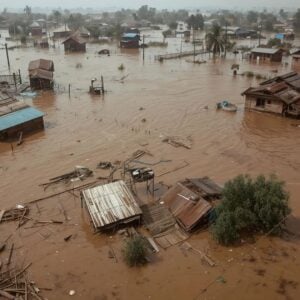
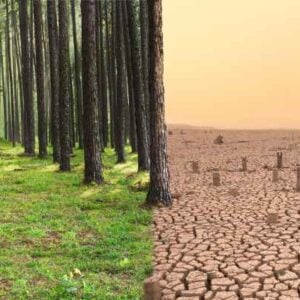
Timor-Leste is highly vulnerable to sudden-onset climate events, including flash floods and landslides, which affect all 13 municipalities to varying degrees. One of the most severe recent events, the Easter floods and landslides of April 2021, resulted in numerous fatalities and impacted over 31,000 households. Approximately 15,000 people were temporarily displaced, with children representing over 20 percent of those affected. The floods caused widespread damage to infrastructure, housing, health services, schools, and family livelihoods, with total economic losses estimated at around US$307.7 million. Climate change projections suggest that extreme rainfall events will become more frequent, heightening the risks of flooding and drought and posing serious threats to lives, livelihoods, and long-term development.
Children in Timor-Leste face unique vulnerabilities during such disasters. The destruction of homes, schools, and roads often forces families into temporary shelters, disrupting access to education, health care, and social protection services. Evacuation and displacement can lead to family separation, leaving children at heightened risk of gender-based violence, trafficking, and other protection threats. While some families stay behind due to attachment to land or lack of alternatives, erratic rainfall patterns have rendered traditional coping strategies increasingly insufficient, exposing children to long-term risks.
To address these challenges, the Addressing Protection Risks in Humanitarian Settings programme, implemented in partnership with the International Organization for Migration (IOM), focused on strengthening child protection in four municipalities: Bobonaro, Covalima, Lautem, and Oecussi. The programme integrated child protection into emergency referral pathways and enhanced the capacity of the social service workforce. It also implemented the Primero digital case management system to improve coordination during climate-related emergencies. Local preparedness was strengthened through the establishment of child-friendly spaces (CFSs) equipped with psychosocial support kits, and volunteers were trained in mental health first aid and the prevention of sexual exploitation and abuse. Awareness sessions for parents and communities further supported household-level preparedness and protection planning.
The programme emphasized child-responsive approaches, ensuring children’s needs were central to interventions. While children were not involved from the outset, their feedback informed the training of social workers and the rollout of Child Protection Minimum Standards. Activities included psychosocial support, continued access to education through “school-in-a-box” components in CFSs, and tailored case management addressing gender-based violence and other vulnerabilities. Close cross-sectoral collaboration with humanitarian and local government actors was critical in embedding child protection into emergency responses.
The programme highlighted the importance of preparedness, proactive planning, and sustained funding for effective loss and damage response. Strengthening the social welfare workforce’s capacity to respond to climate-related impacts is essential, as is supporting innovation and locally led solutions. Predictable funding must enable anticipatory measures and allow children and caregivers to actively participate in the design, implementation, and monitoring of interventions. Incorporating child-specific protection needs, including psychosocial impacts, into loss and damage assessments is key to ensuring comprehensive and child-responsive emergency responses in Timor-Leste.