• Skip to primary navigation
  • Skip to main content
  • Skip to primary sidebar

fundsforNGOs News

Grants and Resources for Sustainability

  • Subscribe for Free
  • Premium Support
  • Premium Login
  • Premium Sign up
  • Home
  • Funds for NGOs
    • Agriculture, Food and Nutrition
    • Animals and Wildlife
    • Arts and Culture
    • Children
    • Civil Society
    • Community Development
    • COVID
    • Democracy and Good Governance
    • Disability
    • Economic Development
    • Education
    • Employment and Labour
    • Environmental Conservation and Climate Change
    • Family Support
    • Healthcare
    • HIV and AIDS
    • Housing and Shelter
    • Humanitarian Relief
    • Human Rights
    • Human Service
    • Information Technology
    • LGBTQ
    • Livelihood Development
    • Media and Development
    • Narcotics, Drugs and Crime
    • Old Age Care
    • Peace and Conflict Resolution
    • Poverty Alleviation
    • Refugees, Migration and Asylum Seekers
    • Science and Technology
    • Sports and Development
    • Sustainable Development
    • Water, Sanitation and Hygiene (WASH)
    • Women and Gender
  • Funds for Companies
    • Accounts and Finance
    • Agriculture, Food and Nutrition
    • Artificial Intelligence
    • Education
    • Energy
    • Environment and Climate Change
    • Healthcare
    • Innovation
    • Manufacturing
    • Media
    • Research Activities
    • Startups and Early-Stage
    • Sustainable Development
    • Technology
    • Travel and Tourism
    • Women
    • Youth
  • Funds for Individuals
    • All Individuals
    • Artists
    • Disabled Persons
    • LGBTQ Persons
    • PhD Holders
    • Researchers
    • Scientists
    • Students
    • Women
    • Writers
    • Youths
  • Funds in Your Country
    • Funds in Australia
    • Funds in Bangladesh
    • Funds in Belgium
    • Funds in Canada
    • Funds in Switzerland
    • Funds in Cameroon
    • Funds in Germany
    • Funds in the United Kingdom
    • Funds in Ghana
    • Funds in India
    • Funds in Kenya
    • Funds in Lebanon
    • Funds in Malawi
    • Funds in Nigeria
    • Funds in the Netherlands
    • Funds in Tanzania
    • Funds in Uganda
    • Funds in the United States
    • Funds within the United States
      • Funds for US Nonprofits
      • Funds for US Individuals
      • Funds for US Businesses
      • Funds for US Institutions
    • Funds in South Africa
    • Funds in Zambia
    • Funds in Zimbabwe
  • Proposal Writing
    • How to write a Proposal
    • Sample Proposals
      • Agriculture
      • Business & Entrepreneurship
      • Children
      • Climate Change & Diversity
      • Community Development
      • Democracy and Good Governance
      • Disability
      • Disaster & Humanitarian Relief
      • Environment
      • Education
      • Healthcare
      • Housing & Shelter
      • Human Rights
      • Information Technology
      • Livelihood Development
      • Narcotics, Drugs & Crime
      • Nutrition & Food Security
      • Poverty Alleviation
      • Sustainable Develoment
      • Refugee & Asylum Seekers
      • Rural Development
      • Water, Sanitation and Hygiene (WASH)
      • Women and Gender
  • News
    • Q&A
  • Premium
    • Premium Log-in
    • Premium Webinars
    • Premium Support
  • Contact
    • Submit Your Grant
    • About us
    • FAQ
    • NGOs.AI
You are here: Home / cat / Pakistan Case Study: Integrated Early Recovery Assistance for Children Affected by 2022 Floods

Pakistan Case Study: Integrated Early Recovery Assistance for Children Affected by 2022 Floods

Dated: December 30, 2025

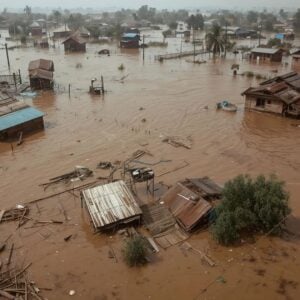
Between June and August 2022, Pakistan experienced unprecedented torrential rains that caused catastrophic flooding, affecting approximately one-third of the country. The floods displaced nearly eight million people, claimed over 1,700 lives, and left 9.6 million children in need of humanitarian assistance. The Post-Disaster Needs Assessment valued the economic losses and damages at around US$30 billion, with severe destruction to housing, infrastructure, and agriculture. The coastal provinces of Baluchistan and Sindh were disproportionately affected, as extensive flooding damaged crops, irrigation systems, and homes, undermining food security and plunging many households into financial distress. Children faced heightened risks, including malnutrition, water-borne diseases, disrupted education, psychosocial trauma, and exposure to exploitation, child labour, and child marriage.

Immediate relief efforts focused on providing shelter, food, clean water, healthcare, and educational support, while long-term recovery required rebuilding homes and livelihoods alongside psychosocial support. To guide recovery, the Government of Pakistan developed the Resilient Recovery, Rehabilitation and Reconstruction Framework (4RF), which promoted a whole-of-society approach to “building back better.”

In response, Save the Children International (SCI) Pakistan, in collaboration with the Tameer-e-Khalq Foundation (TKF), delivered early recovery assistance to highly vulnerable households in the flood-affected districts of Naseerabad and Jaffarabad in Baluchistan, and Khairpur in Sindh. The project prioritized child protection, integrating basic protection principles to ensure that interventions were delivered safely and respectfully. It addressed education impacts through school rehabilitation, development of inclusive and risk-informed school improvement plans, provision of teaching and learning kits, and hygiene promotion sessions. Nearly 4,000 hygiene materials were distributed, and barriers to education were reduced through teacher training and support for transitions from non-formal to formal schooling.

The project also strengthened local child protection capacities and provided multi-purpose cash assistance to food-insecure households, helping families meet basic needs, improve food security, and reduce reliance on negative coping strategies. Child protection referral pathways were developed in collaboration with schools, healthcare facilities, and district administrations. A participatory, child-responsive approach was central to the project, with child protection committees and clubs established in all 27 schools to ensure children, parents, and duty-bearers were actively involved in the design and implementation of protection mechanisms.

The interventions successfully addressed both economic and non-economic losses and damages for over 17,000 children, including supporting 27 schools and returning nearly 870 out-of-school children at risk of child labour to formal education. The project improved public health through hygiene initiatives, strengthened household resilience through cash assistance, and promoted awareness of children’s rights and protection from violence, including child labour and child marriage.

Despite these achievements, the scale of the disaster meant that many children and families remained unreached, and short-term humanitarian funding limited the ability to address both immediate losses and structural vulnerabilities. The overlapping effects of climate hazards, socioeconomic challenges, and lingering impacts of COVID-19 further deepened vulnerability in Sindh and Baluchistan. The experience highlights the urgent need for sustainable, long-term funding and integrated cross-sectoral programming aligned with broader climate action, disaster risk reduction, and resilience-building, while ensuring children’s meaningful participation in accountability and decision-making processes.

Shahid’s story from Khairpur illustrates the transformative impact of the intervention: previously forced into child labour due to the floods destroying his home and school, he was enrolled in a non-formal education program, provided school supplies, and supported by cash assistance for his family. This enabled him to return to school, catch up academically, and pursue his dreams, while his parents were motivated to prioritize education for all their children, breaking the cycle of child labour.
Related Posts

  • Lao PDR Case Study: Facilitating Child-Focused Psychosocial Support During Flood Recovery in Sanamxay District
  • Empowering Young Voices: Children as Climate Storytellers Through Environmental Education
  • Bosnia and Herzegovina: Lessons and Insights for Regional Development
  • Year in Review: How Five Climate Disasters Impacted Children in 2025
  • Year Ahead 2026: Five Deadly Diseases Threatening Children’s Health

Primary Sidebar

Latest News

Somalia on the Brink: Children Face Catastrophic Hunger as Drought, Funding Cuts Deepen Crisis

New $9.3 Million Initiative Strengthens Climate Resilience and Water Security in Kabul

UNDP–ADB Partnership 2026 Boosts Inclusive Recovery in Kyrgyz Republic

Uzbekistan Launches GIS-Based Disaster Risk System

Peace Forest Initiative Pilot Launched in Kyrgyz Republic

Citi Foundation Launches $35M Community Finance Initiative

World Cancer Research Fund on US Dietary Guidelines 2025–2030

Three Key Takeaways from Davos 2026: Climate Resilience, Innovation and Global Partnerships

FAO, UNEP, WHO and WOAH Renew One Health Partnership Through 2030

£3 Million UK Investment to Drive Diet, Health and Sustainable Food Innovation

UK–Japan Partnership Boosts Quantum Technology and Advanced Digital Connectivity

Global Aid Cuts Could Lead to 22.6 Million Deaths by 2030, Study Warns

EBRD Commits Historic €654 Million Investment Across the Baltic States in 2025

How Floating Wetlands Are Transforming Wastewater Treatment Systems

$58 Billion Merger Between Devon and Coterra Creates Major U.S. Shale Player

UN-Led Initiative in Armenia Targets Sustainable Financing for Climate-Smart and Nutrition-Sensitive Agriculture

Irish Ministers to Hold High-Level Talks with EU Budget and Agriculture Commissioners in Dublin

UK–Japan Partnership Expands to Boost Science and Technology Collaboration

AI Growth Zone in Lanarkshire to Generate Over 3,400 Jobs and Support Communities

Government Boosts Expertise in Blockchain Technology

Support for Families: Government Funds Travel for Children Battling Cancer

New Robotic Swabbing System Tested at Sellafield for the First Time

Student Loans Company Introduces Innovative Graduate Programme for 2026

Record 11.48 Million Taxpayers Beat Self Assessment Deadline with Online Filing

Investing in Water Storage to Strengthen Regional Resilience and Support Agriculture

Foreign Ministers Peters and Wadephul Release Joint Statement on NZ-Germany Relations

Celebrating Girls in Science on International Day of Women and Girls in STEM

Strengthening Integrity in Government: New Public Sector Code Introduced

Pandemic Preparedness: How the Fund Shields Against Mpox, Marburg, and Emerging Threats

Advancing Health Security: Pandemic Preparedness Across Latin America and the Caribbean

Three Quarters of EU Classrooms Affected by Antisemitism, UNESCO Finds

Ian Chapman Addresses the Research and Innovation Community in Open Letter

UK Introduces Electronic Travel Authorisation Requirement for Finnish Travellers

New Vaccine Customs Code Introduced to Boost Emergency and Pandemic Preparedness

Pandemic Preparedness in 2026: Lessons Learned Six Years After COVID-19

Dr Azinu: India’s Seed Cluster Model Holds Key to Transforming Ghana’s Agriculture

Supporting Indigenous Climate Leaders in Cambodia: The Role of Direct Grants

Côte d’Ivoire: IFC and CGECI Partner to Support Local Enterprises and Employment Growth

Regional Drive for PCB Elimination Strengthened at Abidjan Stockholm Convention Workshop

Submit Your Proposal for Confidence-Building Initiatives

Funds for NGOs
Funds for Companies
Funds for Media
Funds for Individuals
Sample Proposals

Contact us
Submit a Grant
Advertise, Guest Posting & Backlinks
Fight Fraud against NGOs
About us

Terms of Use
Third-Party Links & Ads
Disclaimers
Copyright Policy
General
Privacy Policy

Premium Sign in
Premium Sign up
Premium Customer Support
Premium Terms of Service

©FUNDSFORNGOS LLC.   fundsforngos.org, fundsforngos.ai, and fundsforngospremium.com domains and their subdomains are the property of FUNDSFORNGOS, LLC 1018, 1060 Broadway, Albany, New York, NY 12204, United States.   Unless otherwise specified, this website is not affiliated with the abovementioned organizations. The material provided here is solely for informational purposes and without any warranty. Visitors are advised to use it at their discretion. Read the full disclaimer here. Privacy Policy. Cookie Policy.