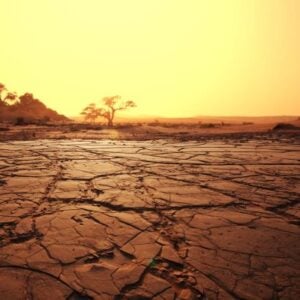
The eastern Horn of Africa is currently experiencing one of the driest October-December (OND) rainy seasons on record, driven by La Niña conditions and an exceptionally strong negative Indian Ocean Dipole. This severe drought is compounding the impacts of the historic 2020–2023 drought, putting local agricultural productivity at serious risk. FEWS NET estimates that between 20 and 25 million people across Somalia, Ethiopia, and Kenya are in need of humanitarian food assistance, with drought being the primary factor for 50–55 percent of those affected. Without a significant scale-up of food, water, and nutrition support, Crisis (IPC Phase 3) outcomes and worse are expected to spread through May 2026, with multiple areas in Somalia facing Emergency (IPC Phase 4) conditions, where malnutrition and starvation risks are escalating. The severity of the situation will depend heavily on the performance of the March–May (MAM) rainy season, which remains uncertain.
Rainfall totals across much of the Horn are projected at less than 50 percent of the seasonal average, with some areas receiving under 30 percent. The region relies on two rainy seasons, MAM and OND, both critical for replenishing water resources, supporting crops, and sustaining livestock. The current OND season follows erratic MAM rains in 2025, extremely high temperatures during the June–September dry season, and below-average rainfall in the prior 2024 OND season. Extreme heat has accelerated moisture loss, leaving many water points nearly dry and vegetation at less than 60 percent of typical levels. In Ethiopia, water and pasture are critically low in multiple zones, while in Somalia, rangeland conditions are already worse than in previous historic droughts. Pasture and water scarcity are expected to worsen through the January–February dry season.
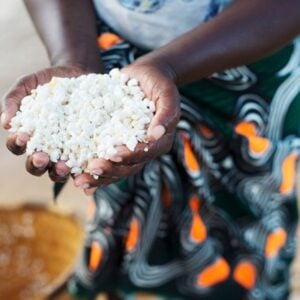
Crop production is projected to suffer substantial losses, sharply reducing household food availability in cropping and agropastoral zones. In Somalia’s Bay and Bakool regions, non-irrigated harvests may reach less than 10 percent of average, while Ethiopia’s Somali Region has experienced near-total failure of rainfed crops due to heat and moisture stress. These losses limit local food stocks and reduce income from crop sales and labor, while declining supplies and high demand are driving sharp price increases. In Kenya, maize prices in Kitui are 19 percent above the five-year average, and red sorghum prices in Baidoa, Somalia, have risen by 25 percent. Food inflation in Ethiopia remains elevated at 10.9 percent.
Pasture and water deficits are also severely affecting livestock health and milk production, reducing access to food and income for pastoral households. Livestock body conditions are deteriorating, even among drought-tolerant species like camels. In some areas, animals are consuming refuse due to lack of forage. Early livestock deaths and declining milk production are being reported across Kenya and Somalia, and households are engaging in distress sales, reducing their income amid falling livestock prices. Migration of herds is occurring earlier and further than normal, increasing disease transmission and the risk of resource conflicts. The combination of low herd sizes and high mortality risks is expected to further diminish livestock assets during the January–February dry season.
These dynamics are driving widespread Crisis (IPC Phase 3) outcomes across Ethiopia, Kenya, and Somalia, with Emergency (IPC Phase 4) conditions in the worst-affected areas of Somalia. Households are adopting severe coping strategies, including distress livestock sales, water trucking at inflated prices, digging shallow wells, and reducing food consumption. Rising fodder costs and declining access to livestock feed exacerbate these pressures. Many households are also removing children from school, relying on credit or social support, and facing displacement as they migrate to IDP camps and urban centers in search of food and work.
Acute malnutrition rates are rising, particularly among children under five, as households adopt coping strategies such as reducing meal size, prioritizing children, and consuming wild or less-preferred foods. SMART surveys indicate global acute malnutrition (GAM) prevalence of 11–19 percent in Somalia’s central and northern pastoral areas, rising to nearly 25 percent in some IDP settlements. In northern and eastern Kenya, GAM prevalence ranges from Serious to Critical levels. Nutrition outcomes are expected to worsen ahead of the 2026 MAM rains if humanitarian assistance remains insufficient.
The upcoming MAM rainy season will be crucial in determining whether food security stabilizes or deteriorates further. Long-range forecasts are uncertain, with potential rainfall ranging from 60 percent above to 60 percent below average. Poor MAM rains would exacerbate food and income losses, erode coping capacities, and heighten the risk of extreme acute malnutrition and famine. Many pastoral households could lose their remaining livestock, while crop-dependent households would face continued income shortages. Historical patterns suggest that inadequate MAM rainfall could lead to Famine (IPC Phase 5) outcomes if proactive humanitarian interventions are not implemented.