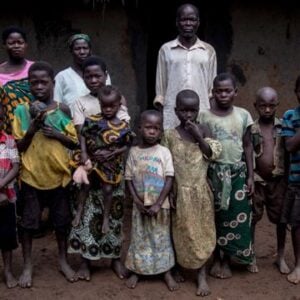
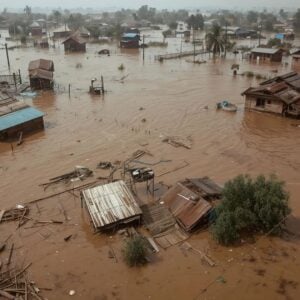
In 2023 and 2024, Kisarawe District in the United Republic of Tanzania experienced unusually heavy rainfall due to the return of the El Niño phenomenon, leading to severe flooding that affected both public infrastructure and agricultural livelihoods. With around 95 percent of the population dependent on smallholder farming, families faced widespread economic losses, including damage to homes, roads, farmland, and crops, which directly reduced household incomes. Children were particularly affected, experiencing both economic and non-economic impacts such as food insecurity, interrupted education, psychosocial distress, trauma, and increased child protection risks including child labour. The floods also led to displacement and the loss of family members, further exacerbating the emotional and social toll on children and communities. Limited awareness of climate change, weak communication between local government and communities, and insufficient inclusion of children in national adaptation plans left many unprepared to respond effectively to these hazards.
To address these challenges, Plan International Tanzania and the Sharon Ringo Foundation (SRF), a child-led NGO, implemented the Combating Climate Change for the Future project. The initiative focused on raising climate awareness, planting 1,500 trees across 10 schools, and promoting locally led and child-responsive climate action. School-based training sessions targeted students, teachers, and local government officials to enhance understanding of climate hazards and improve preparedness. Children, including those with disabilities and adolescent girls, were actively engaged through Disaster Risk Reduction clubs and other participatory activities, fostering their sense of agency and equipping them to respond to climate-related risks. The project also supported Village Loan and Savings Associations (VLSAs) to build financial resilience, enabling families to save, access loans, and diversify livelihoods to better withstand climate shocks.
The programme prioritized child-responsive interventions, integrating creative, play-based approaches to make climate action accessible and engaging. Child climate activist Sharon Ringo provided peer-to-peer mentoring, helping children understand climate risks and develop practical strategies for coping and preparedness. Tree-planting activities were designed to actively involve children in mitigation efforts, encouraging ownership and long-term engagement. Through these initiatives, children gained confidence, knowledge, and practical skills, contributing both to their own resilience and to broader community preparedness.
The project successfully addressed several economic and non-economic losses, providing families with essential items such as nutritious food, sanitary kits, and support to repair homes. VLSA membership and entrepreneurship training strengthened household resilience, particularly for women, enabling alternative income sources and mitigating the financial impact of floods. Psychosocial support and education-focused interventions helped children cope with anxiety, trauma, and disrupted learning. Despite these achievements, the project faced significant constraints due to limited funding, restricting the scale of interventions and leaving many climate-affected children and schools without support. Economic losses and housing damages, which underpinned many non-economic impacts, were only partially addressed, highlighting the need for more comprehensive resources.
The Tanzania case underscores the critical role of international NGOs, child- and youth-led organizations, and community-based organizations in delivering effective, child-responsive responses to climate-induced loss and damage. It also emphasizes the necessity of transparent, accessible, and sufficient funding to scale interventions, strengthen resilience, and ensure children and families are actively included in climate adaptation and mitigation strategies. Strengthening national climate finance mechanisms and establishing direct access for local actors will be key to addressing current gaps and enhancing long-term community resilience.