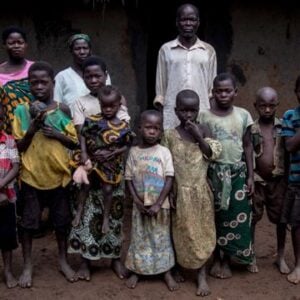
In November 2020, Honduras was hit by back-to-back hurricanes Eta and Iota, compounding the socioeconomic strain already caused by the COVID-19 pandemic. These storms triggered overflowing rivers, flooding, and landslides, resulting in severe economic and non-economic losses for families, particularly affecting livelihoods in agriculture, industry, and tourism, as well as critical infrastructure such as homes, schools, health-care facilities, and WASH systems. More than 40 percent of the population was affected, with over half a million people evacuated or placed in temporary shelters. Children and adolescents were disproportionately impacted, experiencing disrupted education, food insecurity, increased domestic violence, psychosocial stress, and heightened vulnerability due to displacement and loss of family members.
The combined macroeconomic impact of the hurricanes and the pandemic led to an 8.2 percent drop in GDP in 2020, with recovery funding covering only 12 percent of the estimated $2.1 billion in damages. Existing resources, including loans for sustainable development, were redirected toward emergency response, which slowed long-term recovery and reduced adaptive capacity, leaving children and families particularly vulnerable to climate-related shocks.
In response, UNICEF and the Honduran Red Cross implemented the Mental Health First Aid for Children and Adolescents project, initially designed for COVID-19 but adapted to address the psychosocial impacts of Eta and Iota. Recognizing limitations in remote delivery due to poor connectivity and lack of smartphone access, the intervention was delivered in-person and expanded to include humanitarian support such as food, WASH supplies, hygiene kits, and play materials. The project combined community mental health awareness campaigns, emotional recovery activities for children and adolescents, and direct humanitarian assistance to create an enabling environment for psychological recovery.
The child-responsive approach ensured that children of all ages could engage in play-based psychosocial activities, learn stress and anxiety management techniques, and participate in community mental health initiatives. Community leaders and volunteers played a central role in delivering the activities, identifying local needs, and facilitating access to alternative safe spaces when schools and centres were damaged.
The intervention successfully reached nearly 5,000 children across 32 municipalities, addressing both economic and non-economic losses. By providing immediate cash and material support alongside psychological first aid, the project helped prevent negative coping strategies such as asset sales or debt accumulation while reducing stress, trauma, and social disruption within affected families. Flexible funding and partnerships between UNICEF, HRC, and local communities allowed the project to adapt rapidly to evolving needs.
Despite its successes, the project highlighted limitations, including the short-term nature of funding, challenges in reaching remote areas, and the inability to address long-term psychosocial impacts and sustainable livelihood recovery. Lessons learned emphasized the need for sustained funding, extended follow-up support, integration with broader disaster risk management strategies, and investment in volunteer well-being to ensure that children and adolescents receive continuous care and communities build resilience to future climate-related hazards.