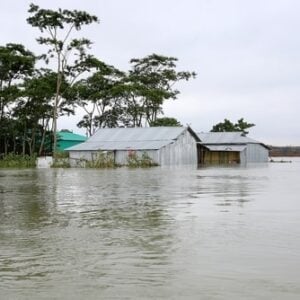
In 2025, children worldwide were among the most vulnerable to the devastating effects of climate disasters, facing school closures, displacement, and threats to their health and safety. Heatwaves, flash floods, storms, and hurricanes disrupted daily life, forcing families into temporary shelters and exacerbating risks such as malnutrition, child labor, and early marriage. Save the Children data highlights that, over the past three decades, approximately 136,000 children a day have been affected by climate disasters, emphasizing the urgent need for global action to protect children from the impacts of climate change. Achieving the Paris Agreement goal of limiting global warming to 1.5°C by 2100 could spare two million children from unprecedented lifetime exposure to droughts.
In late 2025, severe floods across parts of Asia, including Thailand, Indonesia, Sri Lanka, and Pakistan, left hundreds dead and forced schools to close, depriving tens of thousands of children of education. Humanitarian organizations, including Save the Children, established safe spaces for children to play, learn, and recover, while providing essential aid to affected families.
Hurricane Melissa, the strongest hurricane on record for 2025, struck Haiti and the Dominican Republic with extreme winds and rainfall, exacerbated by climate change. Emergency responses were launched to support children in the hardest-hit areas, ensuring immediate relief and safety measures for families.
South Sudan experienced dangerously high temperatures in February, resulting in the closure of schools for the second consecutive year. The heatwave disrupted education and increased risks for children, including recruitment into armed groups, early marriage, and child labor, particularly in schools lacking air conditioning or proper ventilation.
In Madagascar, prolonged dry spells and cyclones contributed to agricultural losses and a spike in malnutrition. Cases of malnutrition among children under five are projected to increase by 54%, driven by recurring climate shocks that threaten food security across the region.
The Philippines faced persistent storms, with 23 tropical cyclones hitting the country in 2025. Typhoon Kalmaegi in November caused approximately 200 deaths, including children, and struck areas still recovering from a magnitude 6.9 earthquake. The repeated disasters highlighted the compounding vulnerabilities children face, as communities struggle to rebuild and schools remain closed. These events underline the urgent need for coordinated global and regional efforts to protect children from climate-related risks and to build resilience in vulnerable communities.