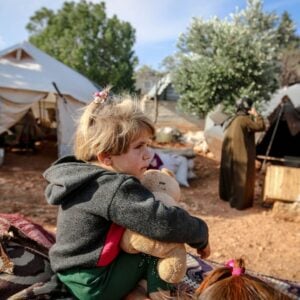
The World Health Organization (WHO) has highlighted a dire health crisis in Sudan, revealing alarming figures on attacks against healthcare facilities. The country currently records the highest global percentage of deaths linked to targeting of the health sector, in blatant violation of international humanitarian law. Since the war began in April 2023, Sudan has faced a rapidly worsening humanitarian, security, displacement, food, and health crisis, now approaching 1,000 days of conflict.
The ongoing conflict has left healthcare facilities under attack, with severe shortages of medicines, supplies, and both financial and human resources, pushing the health system to the brink of collapse. The humanitarian situation is compounded by environmental factors conducive to the spread of mosquito-borne diseases like malaria and dengue fever, as well as outbreaks of vaccine-preventable diseases, including measles and polio. Sudan, once considered a regional food basket, is now experiencing one of the world’s most severe food crises, with over 21 million people facing acute malnutrition and food insecurity. Children under five and pregnant or breastfeeding women are particularly vulnerable, with an estimated 800,000 children under five projected to suffer severe acute malnutrition in 2025.
WHO has been coordinating the health response in partnership with Sudan’s Ministry of Health and other actors, providing technical expertise, capacity building, and medical supplies. Since the onset of the war, WHO has delivered approximately 3,000 metric tonnes of medical supplies worth around $33.3 million, along with cash support for unpaid healthcare workers and fuel to maintain electricity at health facilities. Despite these efforts, vaccination rates have fallen to their lowest levels in 40 years, leaving thousands of children unprotected and contributing to the spread of diseases such as measles, diphtheria, and polio. Malnutrition and other health conditions further weaken children’s immunity, placing their lives at serious risk.
The war’s impact varies across regions. The eastern part of Sudan has remained relatively stable but faces pressure from an influx of displaced populations. In contrast, western regions, particularly Kordofan and Darfur, experience severe bombing and restricted access to health services. The central region, including Al-Jazira, Khartoum, and Sennar, has been heavily affected by conflict but is now more accessible. To mitigate further deterioration, WHO is working with the government on strategies for early recovery, health system strengthening, and resilience-building, aiming to stabilize the situation and support long-term recovery in Sudan’s fragile health sector.