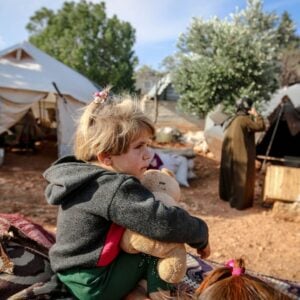
In 2026, five deadly diseases—cholera, measles, malaria, tuberculosis, and diarrhoea—pose a major threat to children, as aid cuts, climate change, and conflict converge to reverse years of progress, according to Save the Children. Global health funding for low- and middle-income countries fell by at least 20% in 2025, hitting sub-Saharan Africa hardest. Health systems in 2026 will face extreme pressure to deliver essential services to children with even fewer resources. At the same time, the number of children living in conflict zones reached a record 520 million in 2024, while an estimated 73,000 children per day were affected by climate crises, increasing vulnerability to infectious diseases through malnutrition and reduced access to healthcare.
Cholera remains a significant risk, particularly in conflict-affected areas and regions hit by extreme weather, which disrupt access to clean water and sanitation. In 2025, there were at least 581,500 cholera cases and 7,200 deaths, with outbreaks worsening in countries such as South Sudan and the Democratic Republic of Congo due to aid cuts and the closure of health facilities.
Measles continues to threaten children globally, with cases in 2025 four times higher than in 2021 despite being preventable through vaccination. Funding cuts have stalled immunization programs, leading to outbreaks in fragile and conflict-affected areas such as Somalia, while Canada lost its measles elimination status amid rising infections.
Malaria cases have risen steadily over the past decade, exacerbated by drug resistance, extreme weather, and humanitarian crises that create mosquito breeding grounds. In 2024, the disease caused approximately 282 million new infections and 610,000 deaths, with sub-Saharan African children under five most affected. Vaccines have provided new tools, but progress remains fragile.
Diarrhoea remains one of the leading causes of child mortality, killing nearly half a million children annually. Climate-related disruptions to water access and sanitation are expected to increase diarrhoea cases, especially in South and Southeast Asia, where rising temperatures and irregular rainfall compromise water security.
Tuberculosis (TB) continues to be a major threat, particularly for children under five, who are more likely to develop severe forms of the disease. Long-term international donor funding cuts could result in an additional 8.9 million children falling ill and 1.5 million deaths by 2034, primarily in Africa and Southeast Asia.
Laura Cardinal, Save the Children’s senior health lead, emphasized that aid cuts, climate crises, hunger, and conflict have created a “perfect storm” for childhood diseases. Strengthened national leadership, increased investment in fragile settings, and global collaboration are urgently needed to protect children from preventable and treatable diseases in 2026. In 2024, Save the Children reached 41.2 million children with health and nutrition programs in some of the world’s most challenging environments.