A series of training sessions recently concluded in Serbia and Montenegro to enhance hunters’ knowledge of African swine fever (ASF) in wild boar and to strengthen hunting biosecurity. Organized by the Food and Agriculture Organization of the United Nations (FAO), the sessions reached over 200 hunters and form part of a series of 14 events that began in 2024, building on earlier trainings conducted between 2020 and 2021 after ASF was first reported in the Western Balkans.
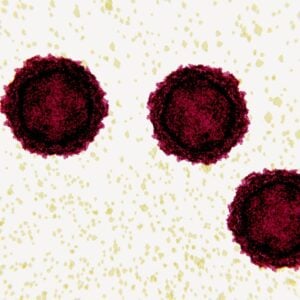
African swine fever is a highly infectious and deadly virus that poses serious risks to animal health, food security, and rural development. It has become a global concern, affecting the pig sector and rural communities worldwide and threatening ASF-free countries and regions. Effective control of the disease requires coordinated action between public and private stakeholders. In Montenegro, ASF has so far only been detected in wild boar, while in Serbia it has affected both domestic pigs and wild boar, spreading across the Western Balkans.
The trainings were jointly organized by Serbia’s Public Enterprise JP Vojvodinasume and the Hunting Association of Montenegro, and led by FAO Hunting Biosecurity Specialist Jovan Mirceta. The sessions combined theoretical and practical components, covering ASF detection, control, and hunting biosecurity measures. Participants learned how to sample animals, package samples, and follow proper procedures when dressing hunted wild boar. The sessions also provided a platform to discuss broader issues in disease and wildlife management.
FAO Animal Health Preparedness Expert Mark Hovari highlighted the critical role of hunters in detecting and reporting ASF in wild boar, noting that effective wildlife disease control is essential for managing outbreaks in domestic pigs. He also emphasized the importance of local FAO partners in organizing the trainings, recruiting participants, and ensuring their success.
In addition to hunter training, the project included capacity-building for first responders on stamping-out procedures such as depopulation, disposal, and disinfection, as well as providing emergency response equipment. It supported biosecurity reviews of commercial pig farms and piloted a community-based programme to raise ASF awareness and improve biosecurity practices among backyard producers.