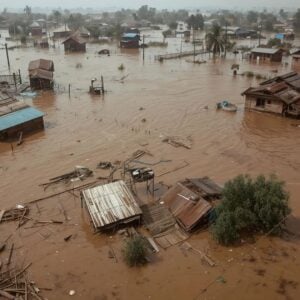
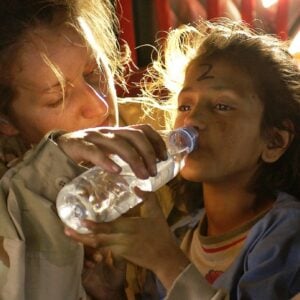
More than 4.6 million people across Somalia, nearly a quarter of the population, are currently affected by the drought, according to local authorities. Rising water prices, growing food shortages, livestock deaths and the collapse of livelihoods have already displaced at least 120,000 people between September and December. The crisis is also disrupting education, with more than 75,000 students forced to drop out of school nationwide.
Conditions are expected to deteriorate further as the dry season from January to March approaches. Authorities warn that water scarcity will intensify, livestock losses will increase and food insecurity will deepen in many areas. They have called for urgent assistance to prevent the collapse of pastoral and farming livelihoods and to avert avoidable loss of life, stressing that the coming months are critical since the next rainy season is not expected until April 2026.
Humanitarian agencies are responding by supporting assessments, mapping available supplies and coordinating emergency actions across water, food, nutrition, health and shelter sectors. Assistance on the ground includes cash support, animal fodder distribution and borehole rehabilitation, alongside field visits to monitor conditions and plan early action.
Despite these efforts, the response is severely limited by major funding shortfalls. While $10 million has been released from the UN’s Central Emergency Response Fund, this amount falls far short of what is needed. As the year draws to a close, Somalia’s $1.4 billion humanitarian response plan has received only about $370 million, leaving significant gaps in critical lifesaving programmes.