In 2025, Ireland provided over €330 million in direct humanitarian assistance to respond to crises worldwide, according to Minister for Foreign Affairs and Trade Helen McEntee and Minister for International Development and Diaspora Neale Richmond. The funding, delivered through Irish Aid, supported the provision of shelter, food, and medicine to people affected by conflicts in regions such as Gaza and Sudan, as well as to those impacted by climate-related disasters in countries including Sri Lanka and Vietnam.
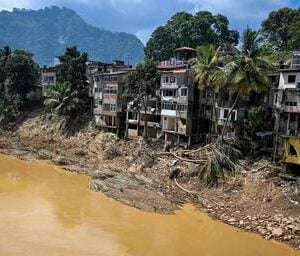
Ireland’s humanitarian assistance, which reached a record €330 million in 2024, is expected to exceed that level in 2025, reflecting the country’s continued support for populations living in conflict zones. Minister McEntee highlighted that Ireland responded at scale to crises in Gaza, Sudan, Ukraine, and the Democratic Republic of Congo, as well as providing immediate aid to victims of natural disasters, including earthquakes in Myanmar and Afghanistan and flooding in Sri Lanka.
Minister McEntee emphasized that Ireland’s commitment to humanitarian aid enables partners to deliver rapid, life-saving support, offering hope to people facing extreme hardship and reflecting Ireland’s values on the global stage.
Minister of State Neale Richmond underscored the disproportionate risks faced by women and girls in humanitarian crises, including increased exposure to violence and restricted access to education and medical care. He highlighted Ireland’s efforts to protect and support women and girls in conflict-affected countries such as Sudan, Ethiopia, and Somalia, and announced plans to expand support in 2026 for protection against sexual and gender-based violence in emergencies.
Ireland channels its humanitarian assistance through longstanding partners, including Irish and international NGOs, UN agencies, the Red Cross family, and the European Union. Special attention is given to those most in need and at the greatest risk of being left behind. Core funding is also provided to organisations such as the UN Refugee Agency (UNHCR), which supports millions of refugees, asylum seekers, and internally displaced people in underfunded contexts, including Afghanistan and Myanmar.
With some 120 million people forcibly displaced worldwide and the Global Humanitarian Overview projecting 239 million people in need of humanitarian assistance in 2026, Ireland’s support remains critical. The country is recognized for the quality of its humanitarian funding, which is flexible, predictable, and multi-year, enabling partners to plan effectively and respond rapidly to evolving emergencies.
Ireland’s humanitarian aid aligns with its development policy, A Better World, which prioritizes reducing humanitarian need. Its assistance, delivered both bilaterally and multilaterally, strengthens partnerships with communities, local authorities, and national and international NGOs at the forefront of humanitarian response, ensuring support reaches those who need it most.