Globally, crises such as wars, persecution, and natural disasters have forced millions from their homes, with the latest UNHCR report noting that 117.3 million people are displaced worldwide, including nearly 42.5 million refugees. For those uprooted, access to justice is crucial, providing protection against exploitation, statelessness, and violence while helping them secure housing, identity, and basic rights. Without functional asylum and justice systems, displaced populations and host communities face heightened risks of discrimination, tension, and conflict.
UNDP has committed to advancing justice for refugees and displaced persons, pledging under the 2023 Global Refugee Forum’s Legal Community Pledge to support national justice systems, legal professionals, and communities. Since then, UNDP has helped provide legal information and services to over one million people across 20 countries, strengthening the capacity of local systems to protect rights and support displaced populations in rebuilding their lives.
In crisis hotspots such as Cox’s Bazar, Bangladesh, UNDP established legal aid corners and trained community mediators to resolve disputes among Rohingya refugees and host communities. In Syria, training on housing and property rights, online legal aid, and collaborative dispute resolution committees assisted thousands affected by conflict and the 2023 earthquake. These interventions helped restore access to essential legal support amid ongoing instability.
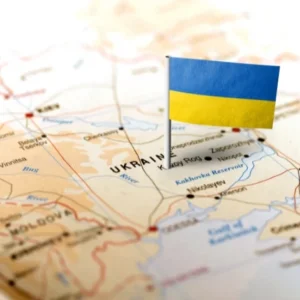
Europe’s displacement crises, particularly the war in Ukraine, prompted large-scale responses. Ukraine’s Free Legal Aid System assisted over 391,000 people, while Moldova provided legal services to thousands, including survivors of gender-based violence. Digital tools such as multilingual chatbots and Social Tensions Monitoring Mechanisms further helped refugees understand their rights and prevent conflicts. In Georgia and Armenia, mobile legal clinics, digital solutions, and alternative dispute resolution strengthened access to justice. Regional cooperation was formalized through the Tbilisi Declaration, ensuring cross-border legal support for displaced populations.
Gender-focused initiatives in Ethiopia address the compounded vulnerabilities of women affected by intercommunal violence. Women Peace Committees have increased female participation in local decision-making, while trained female paralegals provide support on issues like early marriage and sexual and gender-based violence. Complementary programs, including safe houses, trauma-sensitive training, and women’s cooperatives, foster economic empowerment, resilience, and community peace.
Delivering justice in crisis contexts is complex, requiring inclusive dialogue, gender-sensitive approaches, and coordination with host communities. UNDP emphasizes that effective solutions combine institutional support, legal empowerment, and community engagement to prevent tensions, protect rights, and promote peace. At the 2025 Global Refugee Forum Progress Review, UNDP reaffirmed its commitment to scale up justice initiatives, ensuring that justice remains a right accessible to displaced people and their host communities worldwide.