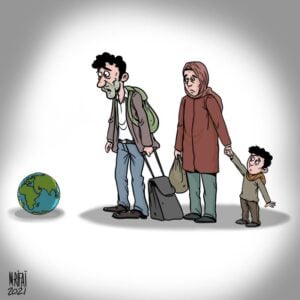
The European Union has allocated an additional €15 million in humanitarian aid to support communities affected by the ongoing conflict in Myanmar, alongside €14 million in development assistance for Rohingya refugees and their host communities in Bangladesh and other neighbouring countries. This funding responds to the worsening humanitarian situation caused by escalating violence, increased displacement, and the compounded impacts of recent crises.
Intensifying conflict in Myanmar continues to drive large-scale internal displacement and cross-border movements into Bangladesh and surrounding countries. The situation has been further aggravated by an earthquake earlier this year, which severely disrupted essential services such as healthcare, water and sanitation, and education, while significantly increasing food insecurity and hunger.
The largest portion of the humanitarian funding, up to €12 million, will be directed toward conflict-affected communities inside Myanmar. This assistance will prioritise food and nutrition support, reflecting the growing risk of famine and severe hunger among vulnerable populations.
In Bangladesh, €2 million will strengthen existing EU support for Rohingya refugees, with a particular focus on addressing food and nutrition needs. An additional €1 million will assist Rohingya and Myanmar refugees living in other neighbouring countries, where many remain in highly vulnerable conditions with limited access to basic services.
This new funding builds on nearly €50 million already provided by the EU for the Myanmar crisis and its regional impact, including emergency assistance following the earthquake in late March. It also complements more than €32 million allocated in humanitarian aid to Bangladesh earlier this year.
The €14 million in development assistance will focus on promoting sustainability and self-reliance in the Rohingya camps in Cox’s Bazar. Support will target skills development and livelihood opportunities to improve long-term resilience and reduce dependency on humanitarian aid.
Meanwhile, displacement pressures continue to rise, with more than 136,000 new Rohingya refugees arriving in Cox’s Bazar since January 2024. Deteriorating conditions in the camps are pushing increasing numbers of people to undertake dangerous sea journeys in search of safety and stability elsewhere.