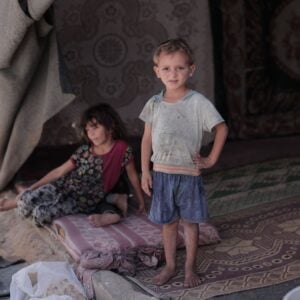
A renewed offensive by the Alliance Fleuve Congo/Mouvement du 23 mars (AFC/M23) in South Kivu has reignited large-scale fighting in eastern Democratic Republic of the Congo, only days after international agreements were signed to ease tensions. United Nations officials and humanitarian organizations report civilian deaths, widespread destruction of infrastructure and the displacement of hundreds of thousands of people, raising alarm over the rapid deterioration of an already fragile security situation.
Senior UN officials warned that the escalation risks triggering a broader regional conflict with potentially incalculable consequences. Jean-Pierre Lacroix, head of UN Peace Operations, said the territorial expansion of AFC/M23 and the weakening of state authority in eastern DRC threaten national unity, sovereignty and territorial integrity. He noted that recent diplomatic breakthroughs, including agreements signed in Washington and Doha, had raised genuine hopes for de-escalation, but persistent ceasefire violations now risk undoing that progress and eroding civilian confidence in peace efforts.
As violence intensifies, the UN peacekeeping mission MONUSCO remains a critical pillar for civilian protection, providing direct support to tens of thousands of displaced people near its bases through patrols, early-warning systems and community engagement. However, its operations are increasingly constrained by restrictions imposed by AFC/M23, including limits on movement, fuel and basic services, as well as the continued closure of Goma airport. Funding shortages and staff reductions linked to the UN’s broader liquidity crisis are further weakening the mission’s ability to respond rapidly and maintain a strong presence.
The humanitarian situation continues to worsen, with health systems in North and South Kivu under severe strain. Hospitals and clinics are overwhelmed by the steady flow of wounded civilians while facing acute shortages of medical staff, medicines and equipment. Médecins Sans Frontières warned that the combined effects of violence, mass displacement and restricted access are pushing health services toward collapse, even as humanitarian needs continue to grow.
Sexual violence remains widespread and systematic, particularly against women and girls, with tens of thousands of survivors seeking care at MSF-supported facilities in just the first half of the year. Many survivors arrive too late for preventive treatment, while others never reach care at all. At the same time, outbreaks of cholera, measles and malaria are spreading rapidly, exacerbated by displacement, poor living conditions and limited diagnostic and treatment capacity.
Diplomatic tensions remain high, with the DRC accusing Rwanda of backing the M23 offensive and violating recent agreements, while Rwanda rejects the allegations and calls for impartial implementation of ceasefire commitments. Neighboring countries, including Burundi, have warned that cross-border violence and displacement threaten regional stability. As appeals grow for stronger international action, UN officials stressed that diplomatic commitments must translate into concrete improvements on the ground to prevent further civilian suffering and avert a wider regional war.