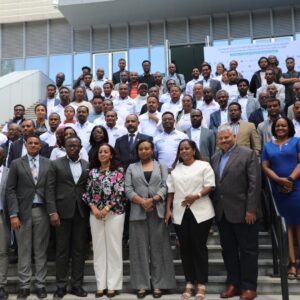
Seychelles has endorsed a comprehensive strategic plan for 2025–2030 aimed at protecting public health by tackling tropical and vector-borne diseases. The plan outlines measures to prevent, control, and eliminate illnesses such as leprosy, rabies, dengue, and leptospirosis, while also addressing emerging health threats linked to climate change and increased movement of people and goods.
Despite progress in controlling diseases like lymphatic filariasis and soil-transmitted helminths, vector-borne and neglected tropical diseases continue to challenge public health in Seychelles. Recent re-emergence of Zika and chikungunya highlights the ongoing need for vigilance and sustained disease management efforts.
Developed through a consultative One Health approach involving human health, animal health, and environmental sectors, the plan emphasizes strengthened surveillance, improved coordination, and resilience against evolving health threats. Public Health Commissioner Dr Jude Gedeon highlighted the strategic focus on community engagement, training, and research to ensure that interventions are grounded in real-world needs and evidence.
The strategic plan integrates vector control and disease management into a unified approach, aligning with Seychelles’ National Health Strategic Plan 2022–2026 and international frameworks including the Global Roadmap for Neglected Tropical Diseases and the Global Vector Control Response 2017–2030. This integrated approach aims to benefit all communities while guiding investments and policy decisions.
To enhance early detection and timely intervention, Seychelles is establishing a national vector surveillance system to monitor mosquito populations, behaviors, and insecticide resistance. This real-time system will support faster responses to potential outbreaks and improve public health protection.
WHO has provided expertise throughout the development of the plan, supporting situation analysis and strategy formulation. Dr Rex Mpanzanje, WHO Representative in Seychelles, emphasized that the plan builds on the country’s strong public health infrastructure and previous achievements, including the interruption of transmission of lymphatic filariasis, leprosy, and soil-transmitted helminths.
Communities and individuals are encouraged to actively participate by maintaining clean environments, reporting symptoms promptly, and staying informed about health protection measures to strengthen the country’s overall disease prevention and control efforts.