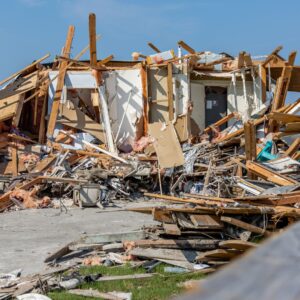
Hurricane Melissa caused severe damage to health service infrastructure in Jamaica, disrupting the lives of thousands of families, health workers, children, and people with chronic illnesses. The storm’s psychosocial impacts include acute stress, grief, anxiety, and emotional exhaustion, with displaced individuals and those in overcrowded shelters experiencing feelings of helplessness and uncertainty. Older adults and overwhelmed health workers are particularly vulnerable due to fatigue and diminished coping abilities.
Jamaica’s community-based mental health model, integrated into its primary health system, usually provides broad access through outpatient clinics, home visits, and mobile outreach teams. However, Hurricane Melissa damaged over 130 health clinics, leaving many mental health services non-functional and disrupting medication continuity and follow-up care, particularly in Trelawny and St. Elizabeth. This created urgent risks for people with severe mental illness and increased vulnerability in communities already coping with stress and anxiety.
In response, the Pan American Health Organization (PAHO) supported Jamaica’s Ministry of Health and Wellness (MoHW) to coordinate a multilayered mental health and psychosocial support (MHPSS) response. Within days, a 48-hour assessment was conducted, and the National MHPSS Working Group was activated to map and coordinate the activities of 14 organizations using the WHO/PAHO 4Ws tool. PAHO and MoHW mobilized 20 trained volunteers to provide psychosocial support in shelters, reaching around 950 people with psychological first aid, stress-management techniques, and referrals.
PAHO, in partnership with MoHW and the University of the West Indies, also launched weekly face-to-face Psychological First Aid training for health workers, complemented by guidance materials to strengthen the MHPSS surge response. Over 100 health sector workers have been trained, focusing on those from the hardest-hit communities. Special attention was given to supporting health workers themselves through the “Care for Carers” program, providing group and individual support to more than 200 professionals from 11 health facilities.
To expand outreach and awareness, PAHO helped MoHW intensify mental health messaging via radio, social media, and printed materials, promoting positive coping strategies and linking people to services such as the national Mental Health and Suicide Prevention Helpline and the UMatter Chatline. Mobile mental health teams were reestablished to restore follow-up, home visits, and medication continuity for patients whose treatment had been interrupted. Data collection systems were implemented to monitor and evaluate the efficiency and effectiveness of MHPSS interventions.
The response is now transitioning to a second phase focused on long-term institutional strengthening. This includes expanding health worker training on mental health interventions, restoring and equipping mobile outreach teams, institutionalizing the Care for Carers program, and optimizing parish-level information systems. PAHO emphasizes the importance of embedding MHPSS preparedness and coordination into national structures to build resilience for future emergencies.