The Central Emergency Response Fund (CERF), created in 2006, has provided nearly $10 billion in rapid humanitarian aid across more than 110 countries, often reaching people before any other assistance. As global crises intensify and needs rise sharply, the fund is now running critically low. UN Secretary-General António Guterres urged countries to help meet a $1 billion target, reminding the international community of its original promise to ensure immediate help when disaster strikes.
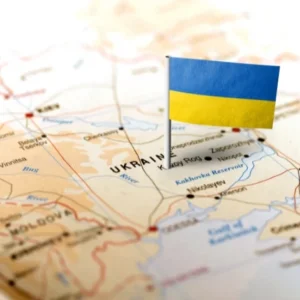
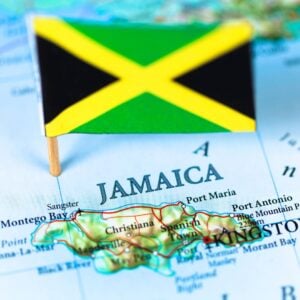
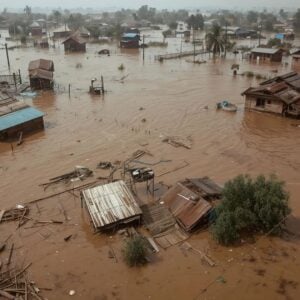
The pledging event took place a day after the UN launched its 2026 global humanitarian appeal for $23 billion to support 87 million people in severe need. Within this broader effort, CERF remains the UN’s most flexible and rapid-response funding tool, providing essential support where delays could cost lives. It has played a decisive role in emergencies such as Gaza, where it kept hospitals and water systems running, and Ukraine, where it mobilized within hours of the full-scale war. This year, it has also directed around $110 million to severely underfunded crises, including in Afghanistan and Somalia, and supported Caribbean countries threatened by Hurricane Melissa.
Despite its importance, CERF’s contributions have dropped significantly and are projected to reach their lowest level in a decade. UN Emergency Relief Coordinator Tom Fletcher warned that this shortfall now threatens its ability to function as the world’s emergency response backbone. He announced a $100 million allocation for the most underfunded emergencies, even though this represents a major share of CERF’s expected income for 2025.
Ireland and the Philippines, co-hosts of the event, reiterated strong support for the fund. Ireland committed an additional €1 million for 2026, emphasizing that while political solutions are needed to resolve crises, humanitarian aid remains essential for people who are suffering out of the global spotlight. The Philippines highlighted its growing contributions over the years and recalled how CERF rapidly provided nearly $6 million just before Super Typhoon Fung-wong struck, as well as critical support during past disasters. CERF continues to be regarded as a lifeline, enabling UN agencies to deliver food, shelter and medical care to millions caught in emergencies.