Since mid-November 2025, South and Southeast Asia have been severely affected by overlapping tropical storms and intensified monsoon systems, causing widespread floods and landslides across Sri Lanka, Indonesia, Thailand, Malaysia, and Viet Nam. The United Nations has been actively supporting government-led emergency operations with food, health, water, sanitation aid, medical teams, and early recovery assessments as heavy rains continue, raising concerns that the humanitarian crisis may worsen. UN Spokesperson Stéphane Dujarric highlighted that the UN remains closely engaged with national authorities and stands ready to support ongoing response efforts.
The disasters were driven by the unusual convergence of Cyclones Ditwah and Senyar, coupled with a strengthened northeast monsoon. Warm ocean temperatures and shifting storm tracks led to extreme rainfall even in regions historically considered low-risk for cyclones. Across the affected countries, nearly 11 million people have been impacted, with around 1.2 million displaced, and substantial damage reported to roads, utilities, and farmlands.
Sri Lanka was among the hardest hit, especially after Cyclone Ditwah made landfall on 28 November. Landslides and floods affected much of the island, with hill districts such as Kandy, Nuwara Eliya, and Badulla recording the highest death tolls. Severe flooding in western and north-western districts disrupted markets, transportation, and water supplies, with children particularly vulnerable.
In Indonesia, relentless rains between 22 and 25 November triggered deadly floods and landslides across Aceh, West Sumatra, and North Sumatra. Official reports indicate over 830 deaths, at least 500 missing, more than 880,000 displaced, and over three million affected in total. Entire villages were submerged, bridges washed away, and roads cut off, necessitating aid delivery by helicopters and boats.
Southern Thailand and northern Malaysia also faced severe flooding from intensified monsoon rains. In Thailand, 12 provinces were affected, with at least 185 deaths, 367 missing, and over four million people impacted, including more than 219,000 displaced. In Malaysia, floods in eight northern and central states displaced around 37,000 people, while authorities continued issuing evacuation orders and weather warnings as rains persisted.
Viet Nam experienced one of its harshest typhoon seasons in years. Since October, a series of storms, including Tropical Cyclone Koto, caused flooding, landslides, and prolonged displacement, particularly in northern and central provinces. The government has activated a national joint response plan, and the UN has allocated $2.6 million from its Central Emergency Response Fund to support food security, health services, and infrastructure recovery.
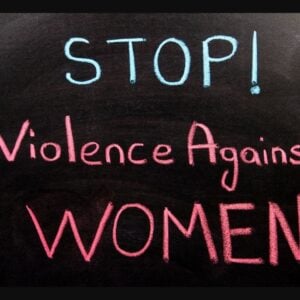
UN agencies warn that climate change is intensifying and making these disasters increasingly unpredictable. Cyclones are forming and moving along unusual tracks, while warmer ocean waters drive extreme rainfall. Rapid urbanization, deforestation, and wetland loss are worsening flood impacts, often overwhelming evacuation routes even where early warning systems exist. The events of late 2025 underscore the urgent need for coordinated climate adaptation strategies and robust disaster preparedness across the Asia-Pacific region.During the 16 Days of Activism Against Gender-Based Violence and following the International Day of Persons with Disabilities, the Honourable Rechie Valdez, Minister for Women and Gender Equality, announced $1,333,430 in funding for the DisAbled Women’s Network Canada (DAWN Canada) to implement the project Scaling Resilience and Change. The initiative aims to expand a peer support model for women and 2SLGBTQI+ people with disabilities who have experienced gender-based violence, including those from Black, Indigenous, racialized, francophone, or Deaf communities who often face significant barriers to safety. The project will develop a new training program for peer mentors and support partner organizations in applying the approach within their own communities, fostering trust, reducing isolation, and providing practical and emotional support.
The federal government emphasizes that preventing and addressing gender-based violence requires coordinated action across governments, communities, and stakeholders to create lasting social and economic change. This approach includes supporting survivors, promoting economic independence, and tackling root causes through evidence-based policies and programs that leave no one behind. Over the next five years, starting in 2026-2027, a total of $223.4 million has been allocated to strengthen programs and services for those affected by gender-based violence, with $44.7 million provided on an ongoing basis.
Minister Valdez highlighted the importance of DAWN Canada’s peer support model, noting that women with disabilities face higher rates of gender-based violence and often encounter barriers when seeking help. She emphasized that expanding this approach nationwide will help build safer, more inclusive communities where survivors receive the support they deserve. Minister Patty Hajdu reinforced that investing in initiatives that empower and uplift women contributes to a society in which all women can thrive, contribute, and participate with confidence and dignity. DAWN Canada’s CEO, Bonnie Brayton, expressed gratitude for the funding, noting that the project centers the voices of women from diverse communities while supporting their healing journeys and creating safer spaces for women and gender-diverse people.
The Gender-Based Violence Program supports community organizations across Canada in assisting at-risk or underserved populations. To date, over $84 million has been allocated to approximately 185 projects focused on supporting victims, preventing gender-based violence, engaging men and boys, and combating human trafficking. In 2024-2025, the program reached over 50,000 participants, developed more than 5,800 resources, and strengthened over 600 partnerships and collaborations.
Statistics highlight the heightened vulnerability of women with disabilities to intimate partner violence. Over half (55%) of women with disabilities experience some form of such violence in their lifetime, compared to 37% of women without disabilities. Women with mental health-related (68%) or cognitive (65%) disabilities face even higher rates. Additionally, more than half of women with sensory (51%) or physical (53%) disabilities have experienced intimate partner violence. Economic abuse is also more prevalent, with one in ten women with disabilities reporting being forced to give money or possessions to a partner, and 8% prevented from accessing jobs or financial resources, compared with much lower rates among women without disabilities.