In Antananarivo, Lalaina Mihobintsoa, a veterinary medicine student, is raising awareness about antimicrobial resistance (AMR) in his community. As an AMR ambassador, he emphasizes simple preventive measures, such as consulting doctors before taking antibiotics, following prescriptions, and maintaining good hygiene, to protect health and prevent resistant infections. His work reflects a broader push to educate communities on the dangers of AMR, a growing global threat that undermines treatment effectiveness.
AMR occurs when microbes like bacteria, viruses, and parasites develop resistance to medicines, making previously treatable infections dangerous. In Madagascar, it causes around 5,400 deaths annually, impacting families, public health, and the economy. Overuse of antibiotics, self-medication, and poor hygiene drive the problem, while uncontrolled antimicrobial use in agriculture worsens the spread of resistant bacteria, affecting food quality and exports.
To combat AMR, Madagascar adopted a National Action Plan (NAP-AMR) in 2019 aligned with the WHO Global Action Plan. The strategy uses a multisectoral “One Health” approach, linking human, animal, and environmental health, and highlights the central role of young people in ensuring the sustainability of interventions. Young ambassadors are trained to educate peers and communities on practical measures to prevent resistance and promote responsible use of antibiotics.
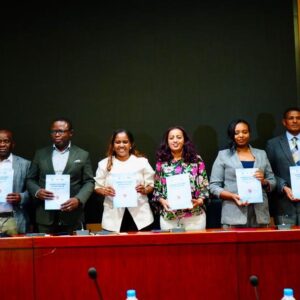
Dr. Lethicia Lydia Yasmine, Secretary General of the Ministry of Public Health, underscores the influence of young people in spreading good practices and innovating awareness campaigns. Similarly, WHO project coordinator Dr. Ilo Ramahatafandry stresses that youth are key agents of change, capable of influencing communities effectively. Around fifty ambassadors have been trained to promote correct practices, demonstrating the tangible impact of youth-led awareness efforts.
Ambassadors like Mihobintsoa and Rakotoarisoa Sitraka Irinah organize local awareness sessions, engage through social media, and use simple, locally understood messages to reach communities. Their work helps families make informed decisions, such as avoiding self-medication, and fosters peer-to-peer education. These efforts illustrate the power of collective action among young people to mitigate AMR.
National strategies also target farmers, breeders, and health professionals, supported by tools like prescription guides, surveillance protocols, and integrated data platforms. Pilot surveillance programs in animal and human health, as well as environmental monitoring, have been established, and a draft interministerial decree aims to regulate antimicrobial use. However, challenges remain, including sustaining volunteer engagement, resource shortages, and measuring impact to secure long-term support.
WHO collaborates with local authorities to address these challenges through ongoing training, production of community-adapted materials, and partnerships across ministries and universities. Dr. Laurent Musango, WHO Representative in Madagascar, emphasizes the critical role of communities and youth in driving change.
The commitment of young ambassadors goes beyond awareness. They aim to contribute to national strategies, train other volunteers, and create platforms for dialogue. Their determination reflects a generation ready to act collectively, ensuring responsible antibiotic use, protecting treatment effectiveness, and safeguarding public health in Madagascar and beyond.