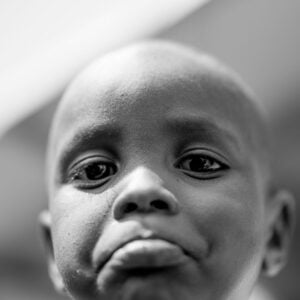
After more than eight months of diplomatic efforts by the United States and Qatar to end the conflict in the Democratic Republic of Congo (DRC), civilians continue to face severe human rights abuses by the Rwanda-backed March 23 Movement (M23) and the Wazalendo, a coalition of armed groups supported by the Congolese army. As the presidents of Rwanda and DRC prepare to sign a peace agreement at the White House, Amnesty International warned that ongoing violence continues to inflict immense suffering on civilians in eastern DRC. Tigere Chagutah, Amnesty International’s Regional Director for East and Southern Africa, emphasized that months of discussions and prior agreements have yet to produce tangible improvements for the Congolese population, calling on President Trump to press leaders to end abuses and hold violators accountable.
Amnesty International has documented credible reports of atrocities committed by both M23 and Wazalendo fighters, including revenge killings, summary executions, torture, abductions, and sexual violence. Tens of thousands of civilians were displaced in October alone, with many in North Kivu province forced to seek refuge in forests to escape attacks. Chagutah highlighted the urgent plight of civilians trapped between two brutal forces, noting widespread frustration over unfulfilled promises and diplomatic rhetoric.
The organization criticized international actors, including the US, European Union, and African Union, for failing to apply consistent pressure on Rwandan and DRC leaders to cease support for abusive armed groups. Chagutah stressed that until consequences are imposed on the backers of M23 and Wazalendo, civilians will continue to suffer from killings, rapes, and other human rights violations.
The peace deal being signed in Washington follows prior agreements and negotiations. Rwandan and DRC officials previously signed an agreement in June 2025 permitting Rwanda to maintain “defensive measures” in eastern Congo until the Democratic Forces for the Liberation of Rwanda (FDLR) and affiliated armed groups are neutralized. The FDLR is composed mainly of Rwandan Hutu, including remnants of the Interahamwe and former Rwandan soldiers responsible for the 1994 genocide, alongside younger fighters not involved in past atrocities. Additionally, Rwanda and M23 signed a framework for a peace agreement in Qatar on 15 November 2025, which included eight protocols that still required negotiation. Despite these diplomatic efforts, abuses persist, underscoring the need for urgent action to protect civilians.