• Skip to primary navigation
  • Skip to main content
  • Skip to primary sidebar

fundsforNGOs News

Grants and Resources for Sustainability

  • Subscribe for Free
  • Premium Support
  • Premium Login
  • Premium Sign up
  • Home
  • Funds for NGOs
    • Agriculture, Food and Nutrition
    • Animals and Wildlife
    • Arts and Culture
    • Children
    • Civil Society
    • Community Development
    • COVID
    • Democracy and Good Governance
    • Disability
    • Economic Development
    • Education
    • Employment and Labour
    • Environmental Conservation and Climate Change
    • Family Support
    • Healthcare
    • HIV and AIDS
    • Housing and Shelter
    • Humanitarian Relief
    • Human Rights
    • Human Service
    • Information Technology
    • LGBTQ
    • Livelihood Development
    • Media and Development
    • Narcotics, Drugs and Crime
    • Old Age Care
    • Peace and Conflict Resolution
    • Poverty Alleviation
    • Refugees, Migration and Asylum Seekers
    • Science and Technology
    • Sports and Development
    • Sustainable Development
    • Water, Sanitation and Hygiene (WASH)
    • Women and Gender
  • Funds for Companies
    • Accounts and Finance
    • Agriculture, Food and Nutrition
    • Artificial Intelligence
    • Education
    • Energy
    • Environment and Climate Change
    • Healthcare
    • Innovation
    • Manufacturing
    • Media
    • Research Activities
    • Startups and Early-Stage
    • Sustainable Development
    • Technology
    • Travel and Tourism
    • Women
    • Youth
  • Funds for Individuals
    • All Individuals
    • Artists
    • Disabled Persons
    • LGBTQ Persons
    • PhD Holders
    • Researchers
    • Scientists
    • Students
    • Women
    • Writers
    • Youths
  • Funds in Your Country
    • Funds in Australia
    • Funds in Bangladesh
    • Funds in Belgium
    • Funds in Canada
    • Funds in Switzerland
    • Funds in Cameroon
    • Funds in Germany
    • Funds in the United Kingdom
    • Funds in Ghana
    • Funds in India
    • Funds in Kenya
    • Funds in Lebanon
    • Funds in Malawi
    • Funds in Nigeria
    • Funds in the Netherlands
    • Funds in Tanzania
    • Funds in Uganda
    • Funds in the United States
    • Funds within the United States
      • Funds for US Nonprofits
      • Funds for US Individuals
      • Funds for US Businesses
      • Funds for US Institutions
    • Funds in South Africa
    • Funds in Zambia
    • Funds in Zimbabwe
  • Proposal Writing
    • How to write a Proposal
    • Sample Proposals
      • Agriculture
      • Business & Entrepreneurship
      • Children
      • Climate Change & Diversity
      • Community Development
      • Democracy and Good Governance
      • Disability
      • Disaster & Humanitarian Relief
      • Environment
      • Education
      • Healthcare
      • Housing & Shelter
      • Human Rights
      • Information Technology
      • Livelihood Development
      • Narcotics, Drugs & Crime
      • Nutrition & Food Security
      • Poverty Alleviation
      • Sustainable Develoment
      • Refugee & Asylum Seekers
      • Rural Development
      • Water, Sanitation and Hygiene (WASH)
      • Women and Gender
  • News
    • Q&A
  • Premium
    • Premium Log-in
    • Premium Webinars
    • Premium Support
  • Contact
    • Submit Your Grant
    • About us
    • FAQ
    • NGOs.AI
You are here: Home / cat / From Crisis to Recovery: WFP Drives Relief and Resilience in Hurricane Melissa’s Wake

From Crisis to Recovery: WFP Drives Relief and Resilience in Hurricane Melissa’s Wake

Dated: December 5, 2025

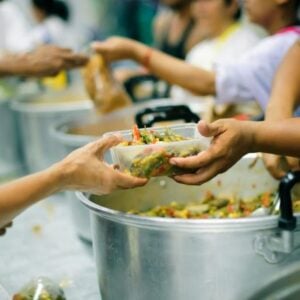
One month after Hurricane Melissa devastated the Caribbean, the United Nations World Food Programme (WFP) has reached over half a million people with emergency food assistance and is now pivoting toward long-term recovery. Working closely with governments and communities, WFP is not only providing immediate relief but also laying the groundwork for resilience through cash-based support where markets are functioning, restoring livelihoods, and repairing essential services.

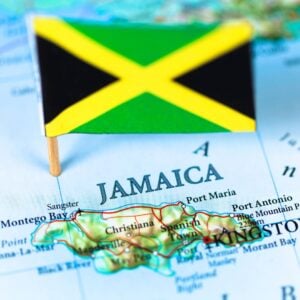
In Jamaica, WFP has delivered emergency food aid to more than 108,000 people, addressing the most urgent needs identified by national authorities. With additional funding, the agency plans to reach another 100,000 people with cash assistance, offering families greater choice while stimulating local market recovery. Market assessments in St. Elizabeth, Westmoreland, and St. James indicate that local markets are gradually bouncing back, paving the way for these cash-based interventions. Through a disaster risk financing partnership, US$1.9 million from the Caribbean Catastrophe Risk Insurance Facility (CCRIF) will be distributed to vulnerable Jamaicans via the national social protection system. WFP is also supporting the revival of agriculture and fisheries to restore incomes and nutrition, including initiatives like home-grown school meals that use locally produced food.

In Cuba, emergency food distributions have reached 340,000 people across Granma, Santiago de Cuba, Guantánamo, and Holguín provinces. WFP aims to scale up to assist 900,000 people over six months, with 450,000 of the most vulnerable receiving food aid for a full year. Thousands remain without electricity, clean water, or adequate shelter, and the storm destroyed nearly 40 percent of the country’s vegetable production while severely damaging the fishing industry. Challenging terrain and floodwaters continue to slow aid delivery, and outbreaks of mosquito-borne diseases threaten both staff and affected communities.

Haiti faces an even deeper crisis, where half the population is already food insecure amid ongoing instability. Hurricane Melissa destroyed homes, infrastructure, and farmland along the southern coast, affecting 1.25 million people, including more than 500,000 who were severely food insecure before the hurricane. WFP has reached 139,000 people with food rations and cash assistance, including anticipatory payments provided before the hurricane struck. The agency plans to assist an additional 95,000 people, despite rising insecurity and poor road conditions slowing operations. Food support will continue for two more months, after which early recovery efforts will focus on rebuilding livelihoods and strengthening community resilience.

Regionally, WFP has dispatched nearly 2,500 metric tons of food and essential supplies from its Caribbean Regional Logistics Hub in Barbados and the UN Humanitarian Response Depot (UNHRD) in Panama. EU-funded airbridges, French and Dutch naval vessels, and coordination with the US military have helped transport aid to isolated communities cut off by flooding and landslides.

To sustain life-saving assistance for up to 1.36 million people across the Caribbean, WFP is appealing for US$83 million. These funds will support not only food and cash assistance but also logistics, telecommunications, non-food items, and air services. Pre-disaster preparations—including early warnings, prepositioned stocks, and livelihood protection measures—have already helped save lives and will continue to support recovery efforts in the months ahead.

Related Posts

  • WFP Receives Critical Support from France to Aid Refugees and Improve Women and Children’s Nutrition in Uganda
  • Republic of Korea Pledges USD 17 Million to Support WFP’s Lifesaving Work Worldwide
  • WFP Provides Emergency Food Assistance to Households Affected by Karail Fire
  • UN Pledges $4 Million in Emergency Support for Hurricane Melissa Recovery in Jamaica
  • Japan Steps Up Support to Ensure School Meals for 100,000 Children in Timor-Leste

Primary Sidebar

Latest News

Middle East Conflict: Women and Girls Face Severe Health Risks

Severe Drought in Northern Kenya Escalates, IPC Report Shows

The Hidden Impact of Gender Equity NGO Closures

£1.5m Pride in Place Impact Fund: Ipswich Council Announces Plans

Driving Social Impact Through Private Investment

Promoting Civil Society: The Role of the UN Committee

Yemen: Authorities Accused of Using Excessive Force on Protesters

USA/Iran: Accountability Demanded for Deadly School Missile Strike

Meta Content Delays in Bangladesh May Fuel Real-World Harm

Strengthening Guinea-Bissau’s Cashew Value Chain via FAO Support

Ghana Strengthens Rotavirus Surveillance to Protect Vaccine Gains

Health Minister and WHO Visit Lakes and Warrap to Boost Services

EIB Invests €40 Million in Speedinvest to Boost African Tech Startups

Nearly 30 New Initiatives Preserve Central Asia’s Cultural Heritage

EU Pledges €458 Million in Humanitarian Aid for Middle East

Hildegarde Naughton Launches €100k Funding for Music Education

Major Funding Boost Aims to Divert Women from Crime

£50m Boost to Help Families with Rising Heating Oil Costs

UK Announces Urgent Aid Package to Support Lebanon

UK Unleashes £1.4bn to Protect Homes and Businesses from Floods

Rising Energy Costs Highlight Need for Renewables, Says UN

Middle East Conflict Fuels Rising Civilian Toll

Glimmer of Hope in Haiti as Gang Frontlines Shift

Breaking the Cycle of Addiction: Ontario’s Community Action

Kyrgyzstan Expands Healthcare Access for Communities

ILO Warns of Job Risks as Nepal Approaches LDC Graduation

ILO and Cuba Partner to Support Persons with Disabilities in Zambia

Air Quality in Uttar Pradesh to Improve Through World Bank Initiative

Boosting Competitiveness and Mining Sustainability in Peru

New Trade Finance Initiative Strengthens Angola’s Economy

INITIATE²: West Africa Boosts Outbreak Preparedness in Dakar

CSW70: Advancing Girls’ Education for Peace in Africa

Pandemic Fund: Strengthening Global Health Security

Uganda NGOs Face Uncertain Future Amid Funding Cuts, Tight Regulations, and Donor Exit

$80 Billion at Risk as Global TB Funding Declines, Study Reveals

NGOs Warn Lebanon on Brink of Humanitarian Crisis Amid Escalation and Mass Displacement

Syria Crisis After 15 Years: Humanitarian Needs Remain Critical Despite Political Change

Czech Government Moves to Tighten NGO Law Amid Transparency Debate and Opposition Criticism

Uganda Freezes NGO Bank Accounts as FIA Investigates Funding Sources and Financial Irregularities

NGO Empowers 60 Lagos Residents with Vocational Skills to Boost Livelihoods and Prevent Child Labour

Funds for NGOs
Funds for Companies
Funds for Media
Funds for Individuals
Sample Proposals

Contact us
Submit a Grant
Advertise, Guest Posting & Backlinks
Fight Fraud against NGOs
About us

Terms of Use
Third-Party Links & Ads
Disclaimers
Copyright Policy
General
Privacy Policy

Premium Sign in
Premium Sign up
Premium Customer Support
Premium Terms of Service

©FUNDSFORNGOS LLC.   fundsforngos.org, fundsforngos.ai, and fundsforngospremium.com domains and their subdomains are the property of FUNDSFORNGOS, LLC 1018, 1060 Broadway, Albany, New York, NY 12204, United States.   Unless otherwise specified, this website is not affiliated with the abovementioned organizations. The material provided here is solely for informational purposes and without any warranty. Visitors are advised to use it at their discretion. Read the full disclaimer here. Privacy Policy. Cookie Policy.