The EU for Collective Action for Energy Transition project has been launched to establish Bosnia and Herzegovina’s first renewable energy communities. Supported by the European Union and the German Federal Ministry for Economic Cooperation and Development and implemented by GIZ, the €3.5 million initiative brings together government institutions, local authorities, civil society, and citizens to develop sustainable, community-led energy solutions that improve energy efficiency, create jobs, and advance climate commitments.
EU representatives emphasized that the project reflects strong cooperation between European partners and Bosnia and Herzegovina, aiming to expand renewable energy capacity and build a greener, more resilient future. As a member of the Energy Community Treaty, the country is progressing toward alignment with EU climate and energy standards, with renewable energy communities expected to play a vital role in meeting targets set in the National Energy and Climate Plan.
Germany highlighted its long-standing development cooperation with Bosnia and Herzegovina and reaffirmed its commitment to supporting ambitious climate goals in the region. The initiative aligns with the Berlin Process and the EU Green Agenda for the Western Balkans, contributing to Europe’s broader goal of becoming climate-neutral by 2050.
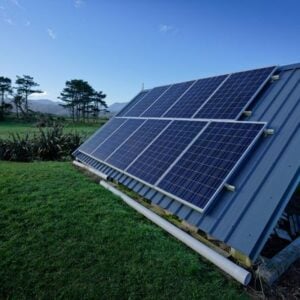
Through EU4CAET, local communities will receive technical assistance and grants to develop renewable energy pilot projects such as solar installations, heat pumps, biomass systems, energy-efficient public lighting, and EV charging infrastructure. The project aims to equip municipalities and citizens with the knowledge and resources needed to actively shape the country’s energy transition.
Project leaders noted the strong interest shown by local communities, who are proposing innovative ideas and preparing for upcoming grant calls in 2026 and 2027. Their willingness to adopt new technologies is seen as a driving force behind successful implementation and long-term sustainability.
Renewable energy communities are expected to enhance living standards across the country, empowering citizens and municipalities to take leadership in the transition to clean energy. The European Union and the German Government remain committed to supporting Bosnia and Herzegovina in strengthening energy security and improving quality of life through increased access to renewable energy solutions.