Severe flooding across Southeast and South Asia has affected millions of people, prompting an urgent humanitarian response from the International Federation of Red Cross and Red Crescent Societies (IFRC). Countries including Indonesia, Sri Lanka, Malaysia, and Viet Nam are experiencing widespread devastation, displacement, and critical needs for food, water, shelter, and healthcare. Intense monsoon rains and climate-driven weather extremes have caused rapid-onset floods and landslides, destroying homes, livelihoods, and infrastructure, while rising health risks and disrupted transport hinder relief efforts.
In Indonesia, flooding and landslides triggered by Tropical Cyclone Senyar have impacted 39 districts across Aceh, North Sumatra, and West Sumatra, affecting approximately 1.1 million people, displacing 290,700, and causing 435 deaths. The Indonesian Red Cross (PMI) has mobilized volunteers to conduct evacuations, provide first aid, distribute clean water, and operate public kitchens, but access remains challenging and resources are stretched.
Sri Lanka has seen over 968,000 people affected across 25 districts, with 193 deaths and 228 missing. More than 41,000 families are sheltering in official safety centers, while thousands remain with relatives. The Sri Lanka Red Cross Society (SLRCS) has deployed over 3,500 volunteers to provide first aid, distribute water, hygiene kits, bedding, and clothing. Relief efforts continue to face obstacles from road closures and secondary landslide risks.
Localized flooding in Malaysia and Viet Nam has disrupted transport and essential services, exacerbating vulnerabilities for communities already facing economic pressures and climate-related shocks. Recovery is expected to be slow without sustained support.
Beyond immediate relief, these floods highlight the urgent need for stronger legal and policy frameworks to protect people during disasters. Ongoing negotiations for a Treaty on the Protection of Persons in the Event of Disasters (PPED), led in part by the Philippines and Thailand, aim to establish binding international obligations for disaster risk reduction and humanitarian assistance, ensuring faster, more coordinated support for vulnerable communities in future crises.
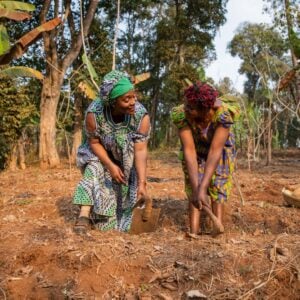
Alexander Matheou, IFRC Regional Director for Asia Pacific, emphasized the need for better early warning systems, improved shelters, nature-based solutions such as mangrove and tree planting, and stronger social protection systems to provide immediate aid during disasters. The IFRC continues to work on these long-term resilience measures while responding to the urgent humanitarian needs caused by these climate-driven floods.
The IFRC calls for urgent international support to help local Red Cross and Red Crescent Societies meet growing needs and assist communities in recovery. These floods serve as a stark reminder that climate-driven disasters are becoming increasingly frequent, making investment in preparedness and resilience critical.