Global measles outbreaks are accelerating as millions of children remain under-immunized due to disruptions caused by the COVID-19 pandemic. Measles, one of the most contagious respiratory viruses, can infect up to 18 people from a single case and is potentially deadly, with one in five infected children requiring hospitalization. Last year, around 11 million people were infected globally, with most deaths occurring in children under five, particularly in Africa and the Eastern Mediterranean.
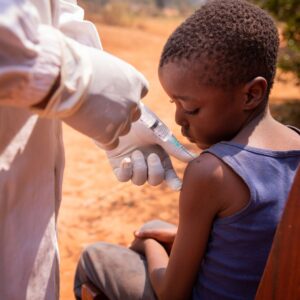
The number of measles outbreaks has nearly tripled since 2021, with 59 countries experiencing large or disruptive outbreaks in 2024, including some that had previously eliminated the disease. Global vaccination coverage remains insufficient: while 84 percent of children received the first dose of the measles vaccine last year, only 76 percent received the second, leaving an estimated 30 million children under-protected. The majority of these unvaccinated children live in Africa and the Eastern Mediterranean, often in conflict-affected or highly mobile communities.
WHO identifies several factors driving the surge in cases, including pandemic-era backsliding as health workers were diverted to COVID-19 response, large numbers of zero-dose children in fragile settings, weak routine vaccination systems, and widespread vaccine misinformation. Dr. Kate O’Brien, WHO’s Director of Immunization, emphasized that access gaps, rather than hesitancy, remain the main barrier, and that parents want reliable information and health systems capable of reaching every child.
Efforts to address the crisis are underway, with over 11 million children vaccinated through the global “Big Catch-Up” campaign, continuing into 2025. WHO calls for stronger surveillance, faster outbreak response, and renewed political commitment to achieve the Immunization Agenda 2030 targets, highlighting that measles protection requires every child, everywhere, to be fully immunized.