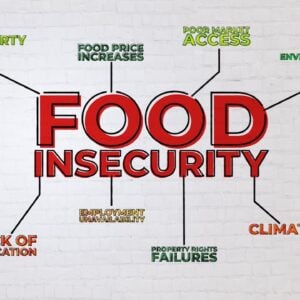
Sudan is facing the world’s largest humanitarian crisis, marked by widespread violence, human rights abuses, and food insecurity. In regions like Darfur and Kordofan, ongoing conflict has led to mass killings, sexual violence, and little progress toward peace. The humanitarian situation is dire, with over 21 million people experiencing acute food insecurity, including nearly 5 million malnourished children under five. Displacement has also reached unprecedented levels, with almost 14 million people forced from their homes, placing enormous strain on vulnerable host communities and local services.
Despite these challenges, much of Sudan remains accessible, allowing projects to boost livelihoods, agriculture, and living conditions even amidst the ongoing conflict. In early 2025, Switzerland committed CHF 3.5 million to the STRIDES project, a two-year initiative targeting 160,000 people in Kassala, Gedaref, and Red Sea States. These areas have collectively absorbed nearly 1.8 million displaced people since the conflict began. The project supports 20,000 smallholder farmers with seeds, training, and equipment such as tractors and harvesters, while also restocking livestock and providing veterinary services. Cash-for-work schemes and micro-grants help stimulate local businesses and create employment opportunities.
STRIDES has already contributed to reducing acute food insecurity, with the number of people in need falling from 26 to 21 million in recent months as agricultural production improves. For farmers like Hanadi in Al-Mafaza, access to machinery has transformed productivity, enabling timely planting and harvesting of crops like sesame and corn. The project also rehabilitates and solarizes water systems, distributes solar lighting, radios, and phone chargers to displaced households, and installs solar streetlights to improve safety and reduce gender-based violence.
Beyond immediate needs, STRIDES fosters long-term stability through peace dialogues, cultural events, and programs empowering women and youth to participate in decision-making and leadership. By targeting both displaced populations and host communities, the initiative strengthens social cohesion, supports local economies, and reduces food prices through increased production.
While STRIDES demonstrates the impact of combining emergency aid with strategic recovery investment, Sudan’s humanitarian needs remain immense. UNDP and Switzerland emphasize the urgent need to scale up support and replicate successful models across the country. The international community is called upon to increase assistance to help millions affected by conflict and build sustainable recovery in Sudan.