• Skip to primary navigation
  • Skip to main content
  • Skip to primary sidebar

fundsforNGOs News

Grants and Resources for Sustainability

  • Subscribe for Free
  • Premium Support
  • Premium Login
  • Premium Sign up
  • Home
  • Funds for NGOs
    • Agriculture, Food and Nutrition
    • Animals and Wildlife
    • Arts and Culture
    • Children
    • Civil Society
    • Community Development
    • COVID
    • Democracy and Good Governance
    • Disability
    • Economic Development
    • Education
    • Employment and Labour
    • Environmental Conservation and Climate Change
    • Family Support
    • Healthcare
    • HIV and AIDS
    • Housing and Shelter
    • Humanitarian Relief
    • Human Rights
    • Human Service
    • Information Technology
    • LGBTQ
    • Livelihood Development
    • Media and Development
    • Narcotics, Drugs and Crime
    • Old Age Care
    • Peace and Conflict Resolution
    • Poverty Alleviation
    • Refugees, Migration and Asylum Seekers
    • Science and Technology
    • Sports and Development
    • Sustainable Development
    • Water, Sanitation and Hygiene (WASH)
    • Women and Gender
  • Funds for Companies
    • Accounts and Finance
    • Agriculture, Food and Nutrition
    • Artificial Intelligence
    • Education
    • Energy
    • Environment and Climate Change
    • Healthcare
    • Innovation
    • Manufacturing
    • Media
    • Research Activities
    • Startups and Early-Stage
    • Sustainable Development
    • Technology
    • Travel and Tourism
    • Women
    • Youth
  • Funds for Individuals
    • All Individuals
    • Artists
    • Disabled Persons
    • LGBTQ Persons
    • PhD Holders
    • Researchers
    • Scientists
    • Students
    • Women
    • Writers
    • Youths
  • Funds in Your Country
    • Funds in Australia
    • Funds in Bangladesh
    • Funds in Belgium
    • Funds in Canada
    • Funds in Switzerland
    • Funds in Cameroon
    • Funds in Germany
    • Funds in the United Kingdom
    • Funds in Ghana
    • Funds in India
    • Funds in Kenya
    • Funds in Lebanon
    • Funds in Malawi
    • Funds in Nigeria
    • Funds in the Netherlands
    • Funds in Tanzania
    • Funds in Uganda
    • Funds in the United States
    • Funds within the United States
      • Funds for US Nonprofits
      • Funds for US Individuals
      • Funds for US Businesses
      • Funds for US Institutions
    • Funds in South Africa
    • Funds in Zambia
    • Funds in Zimbabwe
  • Proposal Writing
    • How to write a Proposal
    • Sample Proposals
      • Agriculture
      • Business & Entrepreneurship
      • Children
      • Climate Change & Diversity
      • Community Development
      • Democracy and Good Governance
      • Disability
      • Disaster & Humanitarian Relief
      • Environment
      • Education
      • Healthcare
      • Housing & Shelter
      • Human Rights
      • Information Technology
      • Livelihood Development
      • Narcotics, Drugs & Crime
      • Nutrition & Food Security
      • Poverty Alleviation
      • Sustainable Develoment
      • Refugee & Asylum Seekers
      • Rural Development
      • Water, Sanitation and Hygiene (WASH)
      • Women and Gender
  • News
    • Q&A
  • Premium
    • Premium Log-in
    • Premium Webinars
    • Premium Support
  • Contact
    • Submit Your Grant
    • About us
    • FAQ
    • NGOs.AI
You are here: Home / cat / Building a Community-Focused Movement for Sustainable and Inclusive Connectivity

Building a Community-Focused Movement for Sustainable and Inclusive Connectivity

Dated: November 28, 2025

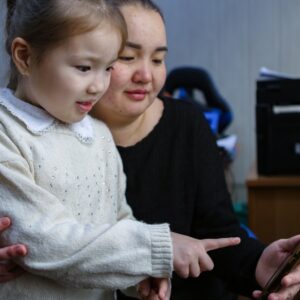
As 2025 comes to a close, reflection on the state of digital connectivity highlights both persistent challenges and meaningful achievements. Globally, 2.2 billion people remain unconnected, and among those with access, many still lack meaningful, community-centred connectivity that addresses local needs. Despite these obstacles, significant progress has been made this year through a variety of strategies aimed at narrowing the digital divide, including measuring the benefits of community-centred connectivity initiatives (CCCIs), advocating for enabling policies and financing, strengthening multistakeholder networks, and integrating gender and environmental considerations into technology access.

The Routing for Communities podcast marked a milestone with the launch of its second season, offering four new episodes that explore how community-focused connectivity transforms lives, empowers women, and strengthens networks. These episodes encourage reflection on the broader movement for community-centred connectivity and provide insights into how to make internet access more meaningful for communities worldwide.

Several community networks and initiatives demonstrated innovative approaches to digital inclusion in 2025. At COP30 in Belem, Brazil, projects explored the links between digital infrastructure and environmental justice, while in Colombia, the Colnodo project improved environmental monitoring systems with active community involvement. In Indonesia, participatory rural appraisals were conducted to assess and plan local connectivity needs, and in Mexico, TIC A.C. celebrated a decade of achievements, including the first Indigenous social concession for telecommunications.

Gender equity remained a key focus, with initiatives such as the Women of Uganda Network and the NANUM Connected Women Project in South America working to connect women and girls, enhance digital literacy, and provide meaningful internet access. Thought leadership pieces and community reflections emphasized the intersection of gender and digital justice, reinforcing the importance of inclusive connectivity strategies.

Policy and regulatory developments advanced community-centred approaches, with multistakeholder dialogues, national strategies in Nigeria and Kenya, and the Konektadong Pinoy Act in the Philippines supporting bottom-up empowerment in connectivity. Global forums, such as the Digital Citizen Summit in Hyderabad, highlighted the importance of inclusive engagement models, regional collaboration, and accountability in digital ecosystems.

Research and publications further supported evidence-based connectivity efforts. ITU-D reports offered insights into broadband deployment and rural ICTs, while the IGF 2025 Policy Network emphasized the need for connectivity solutions adapted to underserved populations. Community-led initiatives, such as Wiki Katat in Mexico and the MTST book “Tecnologia Sem-Teto,” documented strategies for digital sovereignty, empowerment, and multistakeholder engagement.

Key events and funding opportunities this year provided further support to community networks. COP30, national convenings in the Philippines, the Katalib launch in Latin America, and RightsCon 2026 in Zambia all promoted knowledge exchange and advocacy. Funding programs like the NGI Zero Commons Fund, FREE STEM Fund, and Urgent Action Fund Africa offered grants for projects advancing digital inclusion, gender equity, and human rights.

Finally, the Community Networks Learning Repository continued to serve as a collective space for sharing resources, manuals, research, and methodologies, enabling communities worldwide to learn from each other and strengthen connectivity initiatives. This newsletter is part of the Local Networks initiative (LocNet), which supports meaningful community-centred connectivity while fostering an enabling ecosystem for growth and sustainability.
Related Posts

  • EU-Philippines Partnership Accelerates Digital Transition and Innovation
  • IDB and PAHO Support El Salvador and Costa Rica in Issuing First Digital Yellow Fever Vaccination Certificates
  • WHO Recognizes Public Health Wales as Centre for Advancing Digital Health Equity
  • How Local Innovators and Mobile Industry Leaders Are Powering Africa’s Digital Health Transformation
  • Ending Online Violence: Protecting Women and Girls in the Digital Age

Primary Sidebar

Latest News

WHO Urges Investment in Health Security Through 2026 Emergency Appeal

UNICEF Warns Children at Severe Risk as Conflict Disrupts Aid and Health Services

WHO Warns: Cancer Cases Could Rise 50% by 2040 Without Strong Prevention

What Is Crisis Management in Digital Marketing and Why Does It Matter?

How Digital Marketing Crises Impact Brand Trust: Case Studies and Recovery Lessons

How Sustainable Brands Drive Stronger Consumer Engagement and Loyalty

Digital Marketing for Non-Profits: Strategies to Boost Awareness, & Engagement

Millions Could Die as Global Aid Collapses, New Lancet Research Report Finds

WTO Chairs Programme Receives Funding Boost from Austria

WTO Fish Fund Seeks Proposals to Advance Fisheries Subsidy Agreement Implementation

Journalists Invited to Apply for Media Accreditation for WTO MC14 in Cameroon

WTO 2026 Workshop to Strengthen Government Procurement Policy and Trade Governance

CPI Study Highlights Women-Led Climate Finance in Nepal

Allianz Launches $1 Billion Emerging Markets Climate Fund with Anchor Backing from BII

BII, Alexforbes Drive Renewable Energy Innovation with R1 Billion Revego Investment

Vodacom Foundations Pledge R6 Million for Flood Relief in Mozambique and South Africa

€13B EIB Group Investment Supports France’s Climate Goals

EIB Backs Energy-Efficient Social Infrastructure with €200 Million Loan to Hemsö

€3.5 Billion EIB Financing Positions Greece Among Top EU Beneficiaries in 2025

Why Cities Are Now at the Heart of the Global Water Crisis

IFC Invests $150 Million in Otokoç Otomotiv to Boost Electric Mobility and Jobs in Türkiye

Nigeria Issues ₦501 Billion Power Sector Bond as AFC Supports Landmark Electricity Reforms

African Development Fund Plans Historic $1 Billion Market Borrowing Amid Donor Funding Decline

Somalia on the Brink: Children Face Catastrophic Hunger as Drought, Funding Cuts Deepen Crisis

New $9.3 Million Initiative Strengthens Climate Resilience and Water Security in Kabul

UNDP–ADB Partnership 2026 Boosts Inclusive Recovery in Kyrgyz Republic

Uzbekistan Launches GIS-Based Disaster Risk System

Peace Forest Initiative Pilot Launched in Kyrgyz Republic

Citi Foundation Launches $35M Community Finance Initiative

World Cancer Research Fund on US Dietary Guidelines 2025–2030

Three Key Takeaways from Davos 2026: Climate Resilience, Innovation and Global Partnerships

FAO, UNEP, WHO and WOAH Renew One Health Partnership Through 2030

£3 Million UK Investment to Drive Diet, Health and Sustainable Food Innovation

UK–Japan Partnership Boosts Quantum Technology and Advanced Digital Connectivity

Global Aid Cuts Could Lead to 22.6 Million Deaths by 2030, Study Warns

EBRD Commits Historic €654 Million Investment Across the Baltic States in 2025

How Floating Wetlands Are Transforming Wastewater Treatment Systems

$58 Billion Merger Between Devon and Coterra Creates Major U.S. Shale Player

UN-Led Initiative in Armenia Targets Sustainable Financing for Climate-Smart and Nutrition-Sensitive Agriculture

Irish Ministers to Hold High-Level Talks with EU Budget and Agriculture Commissioners in Dublin

Funds for NGOs
Funds for Companies
Funds for Media
Funds for Individuals
Sample Proposals

Contact us
Submit a Grant
Advertise, Guest Posting & Backlinks
Fight Fraud against NGOs
About us

Terms of Use
Third-Party Links & Ads
Disclaimers
Copyright Policy
General
Privacy Policy

Premium Sign in
Premium Sign up
Premium Customer Support
Premium Terms of Service

©FUNDSFORNGOS LLC.   fundsforngos.org, fundsforngos.ai, and fundsforngospremium.com domains and their subdomains are the property of FUNDSFORNGOS, LLC 1018, 1060 Broadway, Albany, New York, NY 12204, United States.   Unless otherwise specified, this website is not affiliated with the abovementioned organizations. The material provided here is solely for informational purposes and without any warranty. Visitors are advised to use it at their discretion. Read the full disclaimer here. Privacy Policy. Cookie Policy.