Mukhiya Fish Farms, located in Sahidnagar Municipality, Madhesh Province, Nepal, has been a pioneering institution in the country’s aquaculture sector for nearly 40 years. Established by Boyalal Mukhiya and now managed by his son Kanhaiya and daughter-in-law Manju Devi Mukhiya, the farm has grown from general fish farming to a high-demand hatchery business. Despite challenges such as land fragmentation and theft, the family consolidated their operations in Nanupatti, Dhanusha, where they now produce over 40 million hatchlings annually. Manju, in particular, stands out in a socio-cultural context where women running fish farms is rare, managing all aspects of the operation alongside her husband.
The farm faces substantial operational costs, with feed and energy being the primary expenses. Feed costs are high, and the nutritional quality of market feed is inconsistent, affecting fish growth rates. Energy demands are particularly significant in the breeding center, which requires continuous water pumping, aeration, and maintenance of optimal conditions for the development of hatchlings, fry, and fingerlings. With seven 3-horsepower and two 4-horsepower pumps running constantly, the farm consumes an average of 1,600 electricity units per month, circulating approximately 470,000 liters of water daily. This dependence on energy drives up operational costs, as aquaculture is not eligible for the subsidized agricultural electricity rates available to other farmers in Nepal.
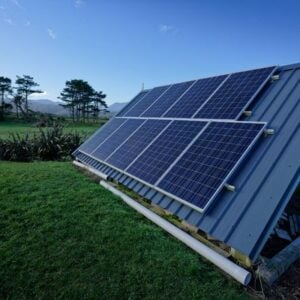
The high energy costs have become a critical issue for Nepali fish farmers competing in regional markets. Solar power is increasingly seen as a viable solution to reduce electricity expenses. Government-subsidized solar pumps are gaining traction for aquaculture and irrigation, and their adoption can lower operational costs significantly. At Mukhiya Fish Farms, solar technology is being explored through the installation of an automatic solar-powered feeder, subsidized partially by the National Agriculture Modernization Program. This approach demonstrates the potential for solar technology to enhance operational efficiency and profitability.
Despite the promising benefits, solar adoption in Nepal’s aquaculture sector remains limited, with most support focused on technical assistance and pond management rather than energy solutions. Some initiatives, such as those by the Veterinary Hospital and Animal Service Expert Centre in Madhesh Province, have provided off-grid solar pumps, highlighting the potential for broader integration. As energy costs continue to rise, solar-powered pumps offer a practical and sustainable pathway for fish farmers like the Mukhiyas, reducing expenses and supporting more resilient and environmentally sustainable aquaculture operations.