Since 17 November, at least 402 people, primarily schoolchildren, have been abducted across four north-central Nigerian states—Niger, Kebbi, Kwara, and Borno—according to the UN human rights office, OHCHR. Of those kidnapped, only 88 have reportedly been freed or managed to escape. OHCHR has called on Nigerian authorities at all levels to take immediate and lawful measures to halt these attacks, ensure the safe return of those still in captivity, and hold perpetrators accountable.
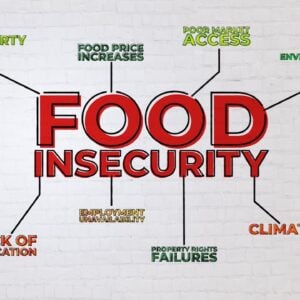
The surge in insurgent activity is not only causing mass abductions but also exacerbating hunger and threatening regional stability. The World Food Programme (WFP) projects that nearly 35 million people in Nigeria will face severe food insecurity during the 2026 lean season from June to August, marking the highest level ever recorded in the country. Intensified attacks by groups such as Islamic State in West Africa Province (ISWAP) and the first reported attack by Jama’at Nusrat al-Islam wal-Muslimin (JNIM), an al-Qaeda affiliate, have put communities under immense pressure from both violence and economic hardship.
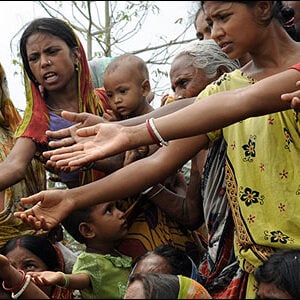
David Stevenson, WFP Country Director in Nigeria, highlighted that repeated insurgent attacks combined with economic stress could increase desperation, allowing insurgent groups to expand their influence. This situation poses a broader security risk not only within Nigeria but across the Sahel region. Northern Nigeria is experiencing its most severe hunger crisis in a decade, with rural farming communities being the hardest hit. Nearly six million people in Borno, Adamawa, and Yobe states are projected to face crisis-level hunger or worse during the 2026 lean season, including approximately 15,000 people in Borno expected to experience catastrophic, famine-like conditions.
The crisis is further complicated by funding shortfalls for emergency response programs. In July, WFP had to scale down nutrition programs in the northeast, affecting more than 300,000 children. Without urgent additional support, resources for emergency food and nutrition assistance are projected to run out by December, leaving millions without vital aid in 2026.