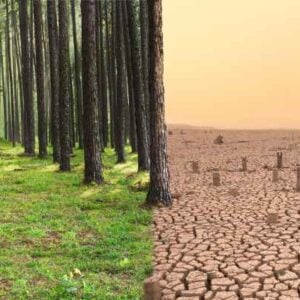
A new global development paradigm, the climate resilience transition, is emerging in response to the increasing frequency and severity of climate hazards such as floods, heatwaves, storms, droughts, and forest fires. While development finance institutions (DFIs) and development aid agencies (DAAs) support climate resilience projects, a significant portion of the market opportunity for private-sector innovation remains underexplored, particularly in emerging countries. Despite economic and regulatory challenges, countries in Africa, Latin America, the Caribbean, the Middle East, and Southeast Asia are developing solutions to anticipate, absorb, adapt to, and transform systems affected by climate risks.
DFIs and DAAs have launched a variety of initiatives to promote climate adaptation, disaster response, nature-based solutions, capacity building, and infrastructure development. Programs such as the UK PACT, AFD’s AdaptAction, FMO’s Dutch Fund for Climate and Development, and performance-based instruments like the Inter-American Development Bank’s CLIMA initiative are examples of efforts to link financial incentives with climate and sustainability outcomes. While these programs enhance climate preparedness, they often lag in technology transfer and fail to fully capture the broader market potential for climate resilience solutions.
Estimates suggest a vast market opportunity exists for climate adaptation and resilience, far exceeding the current adaptation finance gap. Climate Policy Initiative projects indicate that global adaptation needs will require $320–$400 billion annually by 2035, while total climate finance needs may exceed $14 trillion by 2050. Investment in climate adaptation offers strong economic returns, with every $1 invested in sectors like agriculture, water, health, and infrastructure generating $10.50 in value over ten years. Studies by the Global Adaptation Commission and the World Resources Institute underscore that early investments in resilient systems—such as early warning systems, climate-resilient infrastructure, and water resource management—yield substantial net benefits.
Emerging countries are demonstrating the transformational potential of innovative climate resilience solutions. Examples include Kenya’s early warning systems and crowdsourced crisis mapping platforms used during the 2024 Nairobi floods, which mitigated human and economic losses. Internationally recognized solutions such as Ushahidi, India’s Cropin, Saudi Arabia’s Sadeem Technology, Mexico’s Gravalock, Senegal’s Jokalante, and Tanzania’s Rada360 illustrate how innovations developed in emerging countries are being successfully exported and applied globally. Across sectors, these solutions enhance disaster preparedness, sustainable agriculture, urban resilience, and water management.
Despite their potential, the scalability of these innovations depends on well-structured climate resilience ecosystems. Emerging-country innovators often face systemic and market barriers, requiring government and institutional intervention to enable experimentation, investment, and broader adoption. Initiatives such as UNDP’s Adaptation Innovation Marketplace and Climate Innovation Accelerator, UNIDO’s SME incubation and acceleration programs, and academic programs like HEC Paris Challenge+ Africa are supporting ecosystem development, providing funding, mentorship, and strategic guidance to promising ventures.
Overall, emerging countries are playing a pivotal role in advancing climate resilience globally. Their innovations, when supported by robust ecosystems and international partnerships, have the potential to scale, generating both economic and social benefits while contributing to global climate adaptation and sustainability objectives.