G20 leaders adopted the Summit Declaration in Johannesburg despite objections from the United States, which boycotted South Africa’s presidency and criticized the inclusion of climate change language. The declaration is notable because it was drafted without US input and still addresses major global challenges, particularly the climate crisis. Held on African soil for the first time, the summit highlighted the importance of Ubuntu, emphasizing global interconnectedness and the need for multilateral cooperation amid growing geopolitical instability.
A key focus of the declaration was strengthening Africa’s voice in global financial governance. Leaders welcomed the creation of a new IMF Executive Board chair for Sub-Saharan Africa and celebrated progress in reallocating Special Drawing Rights to support vulnerable economies. These steps reflect a commitment to a more representative and quota-aligned IMF. The declaration also addressed rising debt vulnerabilities that limit development in many low-income countries. It reaffirmed commitments to the G20 Common Framework, encouraged debt-for-climate and debt-for-development swaps, and stressed the importance of improved debt transparency and stronger public financial management.
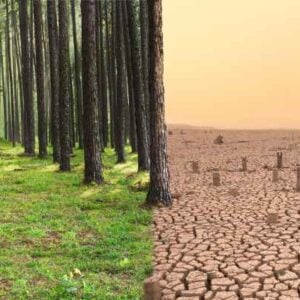
Climate action featured prominently, with leaders urging full implementation of the Paris Agreement and acknowledging the severe risks faced by small island states and least developed countries. They called for dramatically scaling up climate finance to meet trillions in required investments and expanded efforts to strengthen disaster preparedness and early warning systems. Despite US criticism, the declaration underscored the need for collective climate ambition. The document also highlighted the urgency of addressing global energy inequalities, as hundreds of millions in Africa lack electricity and clean cooking fuels. Support was expressed for tripling renewable energy capacity, advancing efficiency, and expanding initiatives such as Mission 300 to connect millions to reliable power.
The G20 introduced a voluntary Critical Minerals Framework to ensure sustainable, resilient, and transparent mineral supply chains. The framework aims to boost investment in exploration, encourage local value addition in developing countries, and strengthen governance to ensure minerals contribute to broader development rather than solely export revenues. Food security was another major concern, with leaders reaffirming the right to food and stressing the need for safe, nutritious, and affordable access. They emphasized support for African smallholder farmers, reduced dependence on volatile global supply chains, and efforts to address extreme food price fluctuations.
The declaration also recognized the growing role of artificial intelligence, promoting international cooperation to harness its benefits while mitigating risks. Leaders committed to advancing responsible AI governance, ensuring transparency, protection of rights, data security, and ethical oversight. They also endorsed the AI for Africa Initiative to support inclusive digital transformation. Social inclusion remained central, with new global targets introduced to reduce youth unemployment and accelerate gender parity. Commitments were made to narrow the labour force gender gap and wage inequality while expanding economic opportunities for women entrepreneurs and workers.
Finally, the leaders emphasized strengthening global governance, reaffirming their commitment to the UN Charter and calling for a transformative reform of the UN Security Council. They argued that the Council no longer reflects today’s global realities and must become more representative and accountable. The declaration echoed calls from several world leaders for institutional reform as an essential step toward building a more equitable and effective global system.