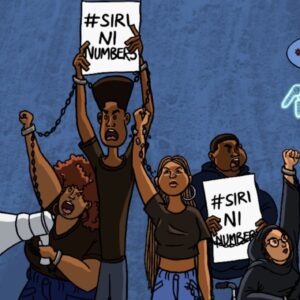
A new briefing by Amnesty International, the African Policing Civilian Oversight Forum, and Suara Rakyat Malaysia aims to address the growing global trend of criminalizing human rights defenders, activists and journalists. Set for release on 27 November, the document outlines legal and advocacy tactics to shield individuals from discrimination, harassment, prosecution and imprisonment. It highlights how governments are increasingly using national security laws, organized crime provisions, defamation legislation and SLAPPs to punish peaceful activism and civil disobedience.
The briefing emphasizes the need to strengthen practical strategies for defenders at every stage of the legal process — before charges are filed, during trials and at sentencing. Amnesty International stresses that, beyond repealing abusive laws, it is now vital to amplify courtroom arguments that have proven effective in protecting activists, such as necessity defenses, freedom of expression and the right to a healthy environment.
Through global case studies, the document illustrates the lived experiences of defenders from countries such as Argentina, Australia, France, Thailand, South Africa and the United States. One example is Grégoire, an environmental activist in France who was arrested for using washable paint to call attention to poor building insulation. Although acquitted in one case, he continues to face prosecution and advocates for legal tools like an “environmental state of necessity” to protect climate activists.
To accompany the release, Amnesty International will host a webinar from Johannesburg on 27 November, featuring legal experts, researchers and activists involved in the report. The event will explore how these strategies can help safeguard those who risk criminalization for defending human rights worldwide.