The 16 Days of Activism against Gender-Based Violence is an annual global campaign observed from November 25, the International Day for the Elimination of Violence against Women, to December 10, International Human Rights Day. During this period, individuals and organizations worldwide, including the World Bank Group (WBG), unite to raise awareness and advocate for the prevention and elimination of violence against women and girls.
Violence against women and girls significantly limits access to education, employment, and participation in public life, hindering human potential and economic growth. Globally, one in three women experiences physical or sexual violence in her lifetime, a figure that doubles in fragile or conflict-affected settings. Digital and technology-facilitated abuse is also on the rise, affecting 16–58% of women. The economic impact is substantial, with intimate partner violence alone costing 1.2–3.7% of GDP, exceeding the amount many countries spend on education, while lost wages, absenteeism, and reduced productivity weaken families, communities, and economies alike.
Safety for women and girls is essential for unlocking broader opportunities and fostering economic growth. Legal protections remain insufficient in many countries: 39 economies lack laws against sexual harassment in employment, 86 have inadequate domestic violence legislation, and 139 provide insufficient protections against child marriage. Building safer societies begins in homes, workplaces, schools, and communities, requiring the active participation of men and boys to create cultures and environments of equality and security.
Ending gender-based violence and elevating women’s human capital is a central pillar of the World Bank Group’s 2024-2030 Gender Strategy. Over the past decade, the Bank has expanded operations addressing gender-based violence ten-fold and continues to lead globally in generating knowledge and data to guide policies and investments that enhance the safety of women and girls. Nearly 90 World Bank projects in more than 60 countries now work to prevent violence, support survivors, and strengthen protection systems, while the International Finance Corporation (IFC) collaborates with companies and financial institutions to create safer, more inclusive workplaces and markets.
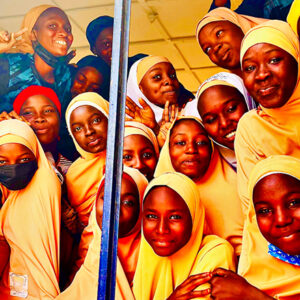
Examples of these efforts include the Gender-Based Violence Prevention and Response Project in the Democratic Republic of Congo, which has reached over 8 million people and provided care to 79,000 survivors; Nigeria’s Adolescent Girls Initiative for Learning and Empowerment (AGILE), improving school safety and boosting enrollment by 700,000 girls; and Peru’s Alegra Centers, offering free legal assistance to more than 1 million survivors. The World Bank’s Women, Business and the Law report has also developed a standalone indicator on women’s safety to guide legal reforms, while IFC initiatives such as Empower Finance and the Respectful Workplaces Program address financial abuse and workplace violence across Asia-Pacific.
When women and girls are safe, societies and economies thrive. The 16 Days of Activism campaign emphasizes the need for coordinated action to build a world where every woman and girl can live free from violence and reach her full potential.