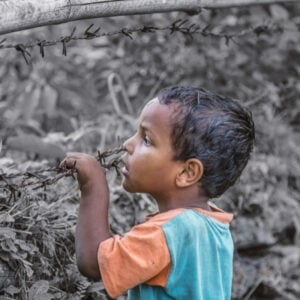
On World Children’s Day, the Global Accelerator for Paediatric Formulations Network (GAP-f) renewed its call to improve access to essential and age-appropriate medicines for children. Despite progress in global health, millions of children—especially in low-resource settings—still face barriers to receiving the medicines they need due to gaps in research, policies, and timely investments. GAP-f emphasizes the urgency of bridging these gaps to protect vulnerable populations.
Earlier this year, at the 77th World Health Assembly, GAP-f launched its Strategic Roadmap 2025–2030 to guide its efforts in closing the paediatric medicines gap. The roadmap focuses on three key shifts: expanding disease focus to include conditions such as respiratory syncytial virus (RSV), malaria, sickle cell disease, dengue, and epilepsy; strengthening country and regional engagement to build national paediatric medicines ecosystems; and driving innovation through novel formulation technologies and smarter clinical development pathways. These strategies aim to create a more equitable and sustainable response to children’s medical needs by connecting science, policy, and delivery.
This year, GAP-f reached important milestones in collaboration with WHO technical departments and network members. Priority formulations across multiple therapeutic areas were defined through the Paediatric Drug Optimization (PADO) process. PADO exercises, covering RSV, malaria, epilepsy, dengue, and sickle cell disease, provide evidence-driven guidance for research and development investments and align partners on the most urgent paediatric treatment gaps. The PADO-Epilepsy report, for example, charts a clear path to accelerate access to child-friendly antiseizure medicines.
WHO has also advanced target product profiles (TPPs) for paediatric medicines, releasing six new profiles for child-friendly cancer treatments. These TPPs give pharmaceutical manufacturers clear technical guidance for developing optimized formulations and could lead to inclusion in WHO’s Prequalification Expression of Interest list and the Model List of Essential Medicines for Children once available. This follows prior releases of TPPs for antibiotics, supporting broader access to priority treatments for bacterial infections in children.
The WHO Model List of Essential Medicines for Children (EMLc) has been optimized for age-appropriateness through a four-year review conducted in partnership with GAP-f. This review assessed healthcare worker needs, analyzed the market landscape for child-appropriate medicines, and evaluated therapeutic suitability, resulting in the addition of 163 new formulations and removal of 92 outdated ones. It also identified 79 medicines with gaps in age-appropriate formulations, providing a clear evidence base for future prioritization through PADO exercises and related initiatives. WHO is now monitoring the uptake of the EMLc and supporting countries, starting in South-East Asia, to strengthen their paediatric medicines ecosystems.
The GAP-f network, hosted by WHO, brings together over 30 partners from industry, academia, civil society, and global health institutions to remove barriers to developing and delivering quality, affordable, and accessible medicines for children. On World Children’s Day, GAP-f calls on all partners to continue collaborative efforts toward the shared goal of ensuring better medicines for every child, everywhere.