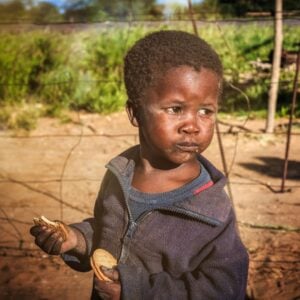
UNICEF reports that one in five children worldwide, or 20%, still live in extreme poverty, with nearly 90% of these children residing in Sub-Saharan Africa and South Asia. Even in high-income countries, 23% of children experience substantially lower income compared with their peers. UNICEF Executive Director Catherine Russell emphasized that effective government policies could unlock significant opportunities for children and help end child poverty.
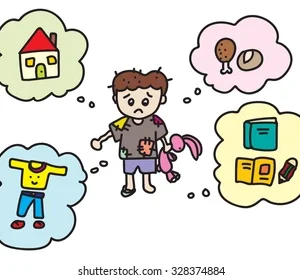
The findings are based on data from over 130 low- and middle-income countries, assessing deprivation across six key areas: education, health, nutrition, housing, sanitation, and water. Poverty undermines children’s health, development, and learning, leading to poorer job prospects, shorter lifespans, and higher rates of depression and anxiety. UNICEF identifies 118 million children as being deprived in three or more of these areas, highlighting the urgent need for targeted interventions, especially as foreign aid cuts could leave an additional six million children out of school by next year.
Child poverty remains concentrated in Sub-Saharan Africa and South Asia. In low-income countries, 65% of children lack access to a toilet, increasing exposure to disease. While deprivation in low- and middle-income countries has declined from 51% in 2013 to 41% in 2023, progress is slowing due to conflict, climate pressures, technological divides, and funding cuts. National policies have proven effective in reducing child poverty, with Tanzania cutting multidimensional child poverty by 46% and Bangladesh by 32% between 2000 and 2023, largely through social protection programs.
UNICEF calls for governments to make ending child poverty a national priority, integrate children’s needs into economic policies and budgets, and provide social protection programs, including cash support for families. Expanding access to essential services such as education, healthcare, water, sanitation, nutrition, and housing, alongside promoting decent work for parents and caregivers, is critical to strengthening household stability and ensuring that children can grow up in safe, healthy, and supportive environments.