Agriculture plays a vital role in the Philippines, employing a quarter of the labor force and contributing significantly to the national economy. Despite its importance, the sector’s transformation has been slow due to persistent challenges such as low productivity, limited value addition, and the growing impacts of climate change, which have reduced yields and arable areas. Poor connectivity and logistical gaps further worsen the situation, resulting in high transport costs, increased food losses, and elevated food prices that contribute to inflation. These structural issues hinder inclusive growth and job creation, especially in rural areas that depend heavily on agriculture and fisheries for their livelihoods.
To address these constraints, the Philippine Rural Development Project (PRDP) focuses on raising rural incomes and improving productivity across farm and fishery sectors. The initiative begins by supporting Provincial Local Government Units in preparing Provincial Commodity Investment Plans that identify priority commodities and opportunities. These plans are informed by science-based assessments including value chain analyses, climate vulnerability studies, and geotagging. Guided by these plans, the project delivers capacity building, technical assistance, and financial investments to support agri-fisheries enterprises and infrastructure proposed by LGUs and producers’ groups composed of farmers and fisherfolk.
Since its launch in 2014, the PRDP has delivered significant results nationwide. It has assisted more than 1.5 million beneficiaries, with women making up nearly 40% of participants. The project has supported the development of investment plans in all 81 provinces and improved rural connectivity by building or rehabilitating more than 2,362 kilometers of farm-to-market roads, reducing travel time by two-thirds and cutting transport costs by more than half. Household incomes have risen by 26% annually in real terms. Among its notable successes is the support provided to the Tibolo Farm Workers Association, an Indigenous Peoples organization in Mindanao, which used the project’s assistance to enhance green coffee processing, strengthen market competitiveness, and expand livelihood opportunities for its members.
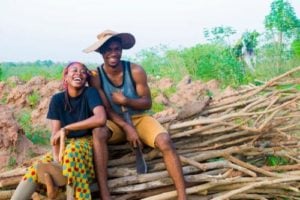
Women have also benefited significantly from PRDP interventions, gaining access to skills training, enterprise opportunities, and leadership roles within their organizations. Beneficiaries have emphasized that equal opportunities and gender-inclusive support enable both men and women to contribute meaningfully to community development and economic growth.
The World Bank, through the International Bank for Reconstruction and Development, has provided more than US$814 million across three financing phases, with additional co-financing from the European Union amounting to nearly US$22 million. The Department of Agriculture leads implementation, while local governments and producer groups play a key role in procurement, cost-sharing, and managing subprojects. EU contributions particularly support vulnerable groups in Mindanao, including Indigenous Peoples and women.
Looking ahead, the government is building on the PRDP’s strong foundation. Two follow-up projects were approved in 2023: the Mindanao Inclusive Agriculture Development Project, which focuses on Indigenous communities, and the PRDP Scale-Up, which supports more transformative local government investments. Additional initiatives are being prepared to expand climate action, water supply, sanitation, and education services, with many adopting systems and best practices from the PRDP to strengthen project design and implementation across sectors.