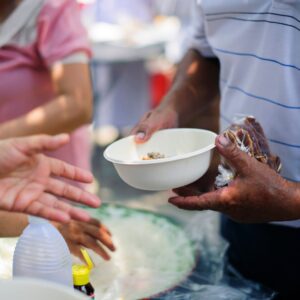
The United Nations World Food Programme (WFP) has received a contribution of USD 8.3 million from the Government of Norway to support crisis-affected families and primary school children in Malawi. The funding comes at a critical time as the country enters the peak of the lean season, when food availability is lowest and hunger is most severe. Recent analysis from the Integrated Food Security Phase Classification (IPC) projects that nearly 4 million Malawians will face crisis-level hunger (IPC3+) from October 2025 to March 2026, up from 2.9 million in the previous analysis, due to consecutive dry spells that reduced harvests and strained food supplies.
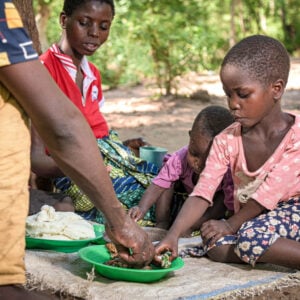
Dr. Hyoung-Joon Lim, WFP Country Director in Malawi, emphasized that Norway’s support is essential for food security during the lean season and for ensuring children receive the nutrition needed to learn and thrive. The contribution will allow WFP to purchase nearly 6,000 metric tonnes of maize to aid over 520,000 people in Mulanje and Phalombe, two of the country’s most food-insecure districts. It will also support the delivery of nutritious home-grown school meals for more than 140,000 children across 120 primary schools in Dedza, Kasungu, and Salima districts.
Norwegian Ambassador Anne Sofie Bjelland highlighted Norway’s commitment to improving food security and nutrition in Malawi, emphasizing support for both immediate needs and initiatives that strengthen local food production and resilience to climate change. The Government of Malawi also expressed gratitude for the contribution, noting that the maize assistance complements national efforts to protect vulnerable households during the lean season.
WFP’s home-grown school meals programme not only improves children’s health and learning outcomes but also supports local agricultural economies by sourcing food from approximately 6,000 local farmers. Maureen Maguza-Tembo, Director of School, Health and Nutrition at Malawi’s Ministry of Education, noted that nutritious school meals reduce absenteeism and dropout rates caused by hunger, helping students stay in school and perform better academically.
This contribution builds on the longstanding partnership under the UN Joint Programme on Girls’ Education, funded by Norway since 2014, which promotes inclusive education and nutrition in Malawian schools, reinforcing the link between food security, education, and sustainable development.